
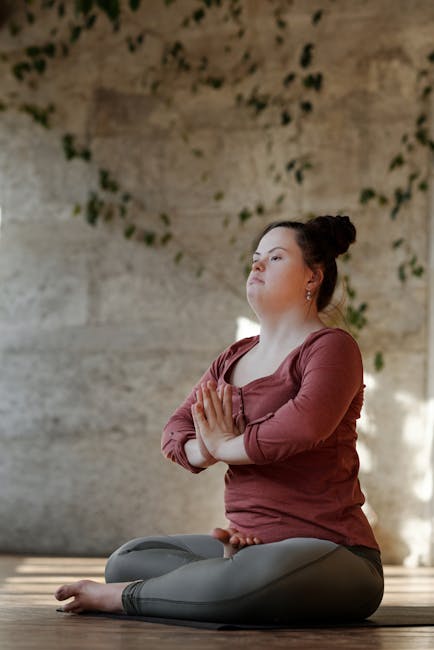
Transform your mind and body with yoga for overall wellness
Introduction
If you’re looking for a practical, sustainable way to feel stronger, calmer, and more energized, yoga is a powerful place to start. More than just stretching or meditation, yoga blends mindful movement, breathing, and focus to support your health from the inside out. Whether you’re easing stress, building mobility, or seeking better balance in your day, you can transform your mind and body with yoga for overall wellness. In this guide, you’ll discover how yoga works, what benefits to expect, and simple steps to begin today—no matter your age, fitness level, or flexibility.
Why yoga is uniquely transformative
Yoga works on multiple levels at once. Physically, it builds functional strength, balance, and mobility. Mentally, it trains your attention, slows racing thoughts, and supports emotional resilience. Biologically, the breath techniques used in yoga stimulate the vagus nerve and activate your parasympathetic “rest and digest” system, helping lower cortisol, reduce heart rate, and calm your mind. Over time, this combination rewires habits around stress, sleep, posture, and self-care—exactly why so many people say they transform their mind and body with yoga for overall wellness.
Physical benefits you’ll feel and see
– Better mobility and posture: Gentle stretching plus active engagement around the joints improves range of motion while stabilizing your spine and hips, helping ease tension from sitting and screens.
– Functional strength: Slow, controlled movements build deep core support and joint integrity, not just big muscles—great for everyday tasks and injury prevention.
– Balance and coordination: Single-leg poses and flowing transitions train your brain-body connection, reducing the risk of falls and improving athletic performance.
– Pain relief: Many experience relief from back, neck, or shoulder discomfort as they strengthen postural muscles and release tight fascia.
– Energy and endurance: Consistent practice can enhance circulation and oxygen use, leaving you more energized without the burnout of high-intensity training alone.
Mental and emotional benefits you can rely on
– Stress reduction: Breath-led movement shifts you out of fight-or-flight, often within minutes.
– Improved focus: Yoga trains attention by asking you to notice sensations and breath, a skill that carries into work and relationships.
– Mood and resilience: Mindful movement boosts feel-good neurotransmitters and gives you tools to navigate tough days with more steadiness.
– Better sleep: Gentle evening practices and breathing can help you fall asleep faster and wake more refreshed.
Choosing the right style for you
– Hatha: Slower-paced foundational poses; ideal for beginners building strength and alignment.
– Vinyasa or Flow: Breath-synchronized movement; builds heat, endurance, and focus.
– Yin: Long, passive holds to target deep tissues; helps mobility and calm.
– Restorative: Fully supported poses for deep relaxation; perfect for stress relief.
– Iyengar: Precision and props to support safe alignment; excellent for detail-oriented learners.
– Prenatal or Gentle: Tailored options for pregnancy, recovery, or chronic conditions.
How to start, even if you’re not flexible
– Set an intention: What do you want from your practice—stress relief, mobility, strength, or all of the above?
– Start small: Ten minutes, three times a week is enough to build momentum.
– Prioritize breath: Inhale through your nose to expand; exhale to soften and stabilize. Let breath guide your pace.
– Use props: Blocks, straps, pillows, or a folded blanket make poses accessible and safer.
– Be consistent: The transformation comes from repetition, not perfection.
A simple 10-minute beginner routine
Do each pose for 5–8 slow breaths:
1) Child’s Pose: Settle your nervous system and connect to your breath.
2) Cat-Cow: Mobilize your spine, release neck and back tension.
3) Low Lunge: Open hips and hip flexors from prolonged sitting.
4) Downward-Facing Dog: Build shoulder and hamstring flexibility; engage core.
5) Standing Forward Fold to Mountain Pose: Rinse out the back line, then stack posture.
Finish seated with three rounds of slow nasal breathing: inhale for four, exhale for six.
Lifestyle integration: yoga off the mat
– Micro-breaks: One minute of box breathing (inhale 4, hold 4, exhale 4, hold 4) between meetings.
– Desk posture reset: Interlace fingers, reach overhead, then gently twist to each side.
– Walking meditation: Sync steps with breath to turn a stroll into stress relief.
– Evening unwind: Legs-Up-the-Wall for five minutes to calm your mind and support circulation.
Common myths, clarified
You do not need to be flexible to start—yoga builds flexibility. You do not need fancy gear—just a non-slip surface and comfortable clothes. And you do not need an hour—short, frequent practices add up quickly.
Safety tips
Move within a pain-free range, and never force a stretch. If you have injuries, high blood pressure, are pregnant, or have a medical condition, consult your healthcare provider and consider a certified teacher or therapeutic class. Pain is information; back off and adjust.
FAQs
How often should I practice to see results?
Aim for 3–5 sessions per week, even if they’re only 10–20 minutes. Consistency matters more than length. Many people notice better sleep and mood within two weeks and mobility improvements within a month.
Can yoga help with weight management?
Yes. While not primarily a calorie-burner like running, yoga reduces stress (lowering stress-related cravings), supports mindful eating, and builds lean muscle that supports metabolism. Vinyasa or power styles increase intensity; restorative styles help regulate hormones and sleep—both matter for weight goals.
Is yoga enough for overall fitness?
It can be a comprehensive base, especially when you include stronger flows and balance work. For bone density and heart health, combine yoga with walking, hiking, light weights, or cycling. Think of yoga as your foundation.
I’m not flexible. Where do I begin?
Start with Hatha, Yin, or Gentle classes, and use props. Focus on breath and alignment rather than depth. Flexibility is a result of practice, not a prerequisite.
What’s the best time of day to practice?
Morning sessions energize and set your tone; evening practices are great for recovery and sleep. The best time is whatever you can sustain consistently.
Do I need special equipment?
A good mat helps with grip. Blocks, a strap (or belt), and a blanket are useful but optional. Comfortable clothing is enough to get started.
Conclusion
If you’re ready to feel calmer, stronger, and more at ease in your own body, yoga offers a proven path. With simple, consistent practices, you can transform your mind and body with yoga for overall wellness—no gym commute, no complicated routines, just you, your breath, and a bit of space. Start small, let your breath lead, and build from there. In a few weeks, you’ll notice more clarity, steadier energy, and a body that moves the way you want it to. This is your invitation to roll out the mat and transform your mind and body with yoga for overall wellness—one breath, one pose, one day at a time.
