
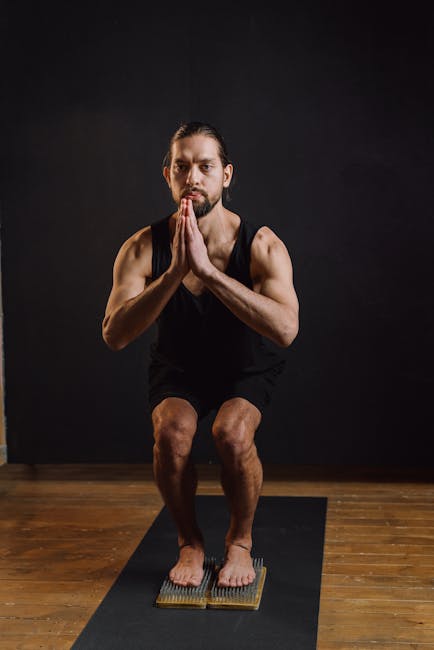
Discover inner calm with guided yoga meditation techniques for everyday peace
Introduction
Life moves fast, and your mind often follows. If you’ve been craving a steadier rhythm—less reactivity, more clarity—guided yoga meditation is a gentle, effective way to get there. It blends mindful breathing, simple movement or stillness, and focused attention to reset your nervous system. Whether you’re brand new to meditation or returning after a break, you can Discover inner calm with guided yoga meditation techniques for everyday peace without needing a lot of time, equipment, or experience. This guide walks you through what it is, why it works, and how to start today.
What is guided yoga meditation—and why it works
Guided yoga meditation is a practice where a teacher (live or recorded) leads you through breathing, body awareness, and visualization to help the mind settle into the present moment. It may include seated or lying-down postures, gentle stretches, or practices like yoga nidra (a deeply restorative, guided relaxation).
Why it works:
– It soothes the stress response. Slow, conscious breathing signals safety to your nervous system, reducing anxiety and tension.
– It focuses a busy mind. Guidance gives your attention a “track” to follow so you’re less likely to spiral into overthinking.
– It anchors you in the body. Sensations, breath, and posture bring you out of mental chatter and into grounded awareness.
With regular practice, you’ll likely notice more patience, clearer decision-making, better sleep, and steadier energy throughout the day. In short, you Discover inner calm with guided yoga meditation techniques for everyday peace by retraining your brain and body to relax on cue.
A 5-minute quick-start practice
If you have five minutes, you have enough to reset.
– Set up: Sit on a chair with your feet flat, or lie down. Rest your hands comfortably. Soften your jaw and shoulders.
– Breath: Inhale through your nose for a count of 4, exhale for a count of 6. Repeat 5 times.
– Body scan: Place attention at the crown of your head. Slowly move your awareness down: forehead, jaw, neck, shoulders, chest, belly, hips, legs, feet. As you notice a tense area, exhale and imagine it softening by 10 percent.
– Anchor phrase: Silently repeat, “Breathing in, I arrive. Breathing out, I am here.”
– Close: Take one deeper breath. Gently open your eyes. Notice even small shifts in your mood or body.
Try this mid-morning, between meetings, or before bed. Over time, you’ll begin to Discover inner calm with guided yoga meditation techniques for everyday peace in shorter and shorter windows, because your nervous system learns the pathway to calm.
Your technique toolbox
Mix and match these methods depending on your energy and needs.
– Box breathing (4-4-4-4): Inhale for 4, hold for 4, exhale for 4, hold for 4. Great before presentations or difficult conversations.
– Lengthened exhale: Inhale 4, exhale 6–8. Extending the exhale activates the parasympathetic “rest and digest” response.
– Body scan meditation: Systematically move attention through the body to dissolve tension and increase interoception (your sense of inner signals).
– Mantra repetition: Choose a calming phrase like “I am steady” or “This moment is enough.” Match it to your breath.
– Guided visualization: Picture a peaceful place—forest, shore, or sunlight over your skin. Use all senses: sight, sound, touch, scent.
– Loving-kindness (metta): Silently repeat, “May I be safe, may I be well, may I be at ease.” Extend to loved ones, then to all beings.
– Yoga nidra: Lie down and follow a guided script through breath, body scanning, and intention-setting. Remarkably restorative when you’re exhausted or wired.
– Gentle movement meditation: Slow, mindful cat-cow, seated twists, or standing forward fold synced with breath to release mental and physical stagnation.
– Walking meditation: Stroll at an easy pace. Feel your feet touch the ground. Coordinate steps with breath for a portable reset.
How to build an everyday habit
– Tie it to something you already do: After brushing your teeth, before coffee, or right after you shut your laptop.
– Start small: Two to five minutes beats zero. Consistency matters more than length.
– Set mood cues: Dim the lights, light a candle, or put on soft instrumental music to signal “calm time” to your brain.
– Track the wins: Notice subtle benefits—less snapping at others, clearer thinking, easier sleep. This positive feedback builds motivation.
– Keep it accessible: Save a few favorite guided audios. Use headphones and a timer to remove decision fatigue.
Common obstacles (and what to do)
– “My mind won’t stop.” Minds wander. Gently return to your anchor (breath, body, sound) without judgment. That return is the practice.
– “I don’t have time.” Try micro-moments: three calming breaths before emails, one minute of body scan in the car (parked), or two minutes in bed.
– “I get sleepy.” Practice sitting up with a long spine, or try a standing or walking meditation. Morning sessions can help.
FAQs
How is guided yoga meditation different from regular meditation?
Guided yoga meditation pairs verbal cues with breath and gentle movement or body awareness. It’s especially helpful for beginners or busy minds because the guidance provides structure.
How long should I practice each day?
Start with 5 minutes and work up to 10–20 minutes if you like. Even short, consistent sessions help you Discover inner calm with guided yoga meditation techniques for everyday peace.
Do I need special equipment?
No. A chair, a cushion, or a yoga mat is optional. Comfortable clothing and a quiet-ish spot are enough.
Can it help with anxiety and sleep?
Yes. Techniques like lengthened exhale, body scan, and yoga nidra are well-known for calming anxiety and improving sleep quality.
Is this a religious practice?
Guided yoga meditation can be practiced in a secular way focused on breath, awareness, and well-being. You can adapt it to your personal beliefs.
What if I get restless or uncomfortable?
Shift position gently, take a deeper breath, or try a moving meditation. Comfort supports consistency.
How quickly will I notice results?
Many people feel calmer after a single session. Deeper benefits—like improved focus and resilience—build over 2–6 weeks of regular practice.
Can I use apps or videos?
Absolutely. Short, well-produced audios or videos make it easier to stay consistent. Choose voices and styles you find soothing.
Conclusion
You don’t need an hour-long retreat to feel calmer. With a few minutes a day and a simple script to follow, you can train your body and mind to relax on demand. Start small, choose a technique that fits your mood, and let guidance do the heavy lifting. Over time, you’ll naturally Discover inner calm with guided yoga meditation techniques for everyday peace—showing up more patient, present, and grounded in everything you do. Take one slow breath now, and begin.
