
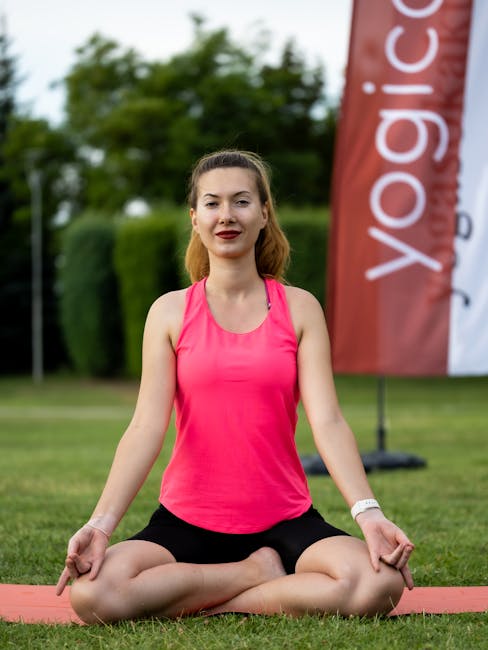
The complete beginner’s guide to yoga meditation for inner peace
Introduction
If life feels noisy and fast, you’re not alone. Many of us crave a way to slow down, breathe, and reconnect with a steady sense of calm. That’s where yoga meditation comes in. Unlike a quick-fix hack, it’s a simple, learnable practice that blends mindful movement, comfortable stillness, and focused breathing to help you unwind and reset. In The complete beginner’s guide to yoga meditation for inner peace, you’ll learn exactly what to do, how to start, and how to make it stick—no experience or fancy gear required.
What is yoga meditation?
Yoga meditation is a gentle blend of three elements:
– Movement (asana): Simple poses that loosen tension and prepare your body to sit comfortably.
– Breath (pranayama): Conscious breathing that calms your nervous system and anchors your attention.
– Stillness (dhyana): Sitting quietly and observing your thoughts, breath, or a chosen focal point without judgment.
Together, these create a pathway from scattered to centered. Think of it as training your mind to rest in the present, the foundation of inner peace.
Why it helps with inner peace
– It reduces stress signals by shifting your body from “fight or flight” to “rest and digest.”
– It builds awareness so you notice tension, worry, or overthinking sooner—and interrupt the spiral.
– It cultivates acceptance, helping you meet life as it is instead of wrestling with every moment.
How to start: a simple setup
– Space: Choose a quiet corner with soft light. A chair, cushion, or folded blanket is enough.
– Time: Start with 10 minutes. Morning or evening works—consistency matters more than perfect timing.
– Intention: Pick a simple aim like “I am here to breathe” or “I’m learning to be kind to myself.”
– Posture: Sit upright on a chair with feet flat, or on a cushion with hips slightly higher than knees. Relax shoulders and soften your jaw.
A 10-minute beginner sequence
Try this daily for one week. Set a gentle timer.
1) Arrive (1 minute)
– Close your eyes or soften your gaze.
– Take three slow breaths, in through the nose, out through the mouth. Let your exhale be slightly longer.
2) Gentle movement (3 minutes)
– Cat–cow seated or on all fours: Inhale arch, exhale round (5 rounds).
– Neck rolls: Slow half-circles, right to left (3 each side).
– Seated side stretch: Inhale reach, exhale lean (2 each side).
– Shoulder rolls: 5 forward, 5 back.
3) Breath focus (3 minutes)
– Box breathing: Inhale 4, hold 4, exhale 4, hold 4. Repeat gently. If holding feels tense, skip the holds and just breathe in 4, out 6.
4) Stillness (2 minutes)
– Let your breath find a natural rhythm.
– Choose an anchor: sensation of breath at the nostrils, rise and fall of the belly, or the feeling of sitting.
– When your mind wanders—because it will—label it “thinking” and kindly return to your anchor.
5) Close (1 minute)
– Place a hand on your heart or belly.
– Whisper a short affirmation: “Calm is in me,” or “I’m grateful for this moment.”
– Open your eyes and notice how you feel.
Growing your practice
– Choose a cue: After brushing teeth, making coffee, or finishing work, sit for your 10 minutes.
– Track the habit: Put a dot on a calendar each day you practice.
– Increase gradually: After a week or two, add 2–5 minutes to your stillness or breathwork.
– Try guided support: Use a simple timer with soft bells or a beginner-friendly guided audio for structure.
Common pitfalls and how to fix them
– “I can’t stop thinking.” You don’t need to. Thoughts are part of meditation. Your job is to notice and return. Every return counts.
– “My back hurts.” Try a chair with a cushion behind your lower back, or sit against a wall. Shorten your sit and add more gentle movement.
– “I get sleepy.” Practice earlier in the day, sit upright, open your eyes slightly, or keep the room a bit cooler.
– “I skip days.” Reduce friction: Lay out your cushion the night before and tie practice to an existing habit.
Beginner-friendly poses to prepare for sitting
– Child’s pose: Releases the back and quiets the mind.
– Seated forward fold with bent knees: Soothes the nervous system.
– Low lunge with knee down: Opens hips for more comfortable sitting.
– Easy twist (seated): Frees the spine to sit taller.
Breath variations to explore
– 4-6 breathing: Inhale for 4, exhale for 6 to gently lengthen the exhale and promote calm.
– Alternate nostril (nadi shodhana): Inhale left, exhale right; inhale right, exhale left. Helps balance energy and focus. Skip if congested.
Making it personal
– If you’re anxious: Favor longer exhales and grounding anchors (feel of your feet or sit bones).
– If you’re low on energy: Try a few standing stretches and even-count breathing before sitting.
– If you’re restless: Shorten the stillness portion and add a few more minutes of movement.
Safety and accessibility
Yoga meditation is adaptable. If you have medical or mental health conditions, check with a professional before starting. Avoid straining your breath or forcing painful positions. Comfort and consistency beat intensity.
FAQs
– How long should beginners meditate?
Start with 10 minutes and stick with it for a week. If that’s tough, begin with 5 minutes and add a minute every few days.
– What’s the best time of day?
When you’re most likely to show up. Morning can feel clear and quiet; evenings can help you unwind. Consistency creates momentum.
– Do I need special equipment?
No. A chair, cushion, or folded blanket is enough. If you enjoy it, consider a yoga mat and a firm bolster for comfort.
– Can I use music or guided audio?
Yes. Soft, lyric-free music or a gentle guided practice can help you focus. Over time, try a few silent minutes to grow your inner guidance.
– What if I fall asleep or feel fidgety?
Sleepiness: Sit taller, open your eyes slightly, and practice earlier. Fidgety: Add more movement or shorten the sit and gradually increase.
– How soon will I feel inner peace?
Many people notice a subtle calm after the first practice. Deeper steadiness builds with repetition—think weeks and months, not minutes. Keep it simple and steady.
Conclusion
Inner peace isn’t something you chase—it’s something you uncover by returning to the present, again and again. The complete beginner’s guide to yoga meditation for inner peace is not about perfection; it’s about showing up for yourself in small, consistent ways. Start with 10 minutes, breathe a little longer on the exhale, move gently, and sit kindly with whatever arises. In a few weeks, you’ll likely feel more grounded, clearer, and better equipped to meet your day. When in doubt, come back to the basics—breath, body, and awareness. That’s the heart of The complete beginner’s guide to yoga meditation for inner peace, and it’s available to you right now.
