
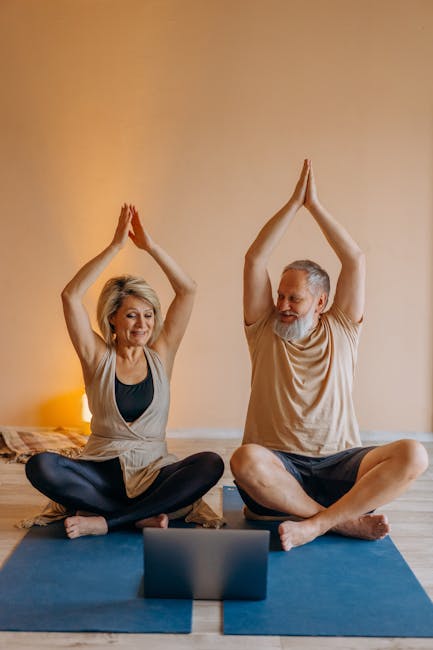
Yoga and mindfulness for daily life: simple practices to feel better every day
Introduction
If you’ve ever wished for a calmer mind, less tension in your body, and more moments of ease, you don’t need a retreat or an hour-long class to start. Yoga and mindfulness for daily life are about weaving small, meaningful pauses into the day you already live—while you brew coffee, answer emails, take a walk, or wind down for bed. With a few simple practices, you can build clarity, resilience, and strength right where you are.
What yoga and mindfulness really mean
Yoga combines physical postures (asanas), breathing (pranayama), and focused attention to create balance in body and mind. Mindfulness is the skill of paying attention to the present moment with curiosity rather than judgment. When you bring them together—yoga and mindfulness for daily life—you get a practical toolkit for stress relief, better focus, and smoother energy throughout the day.
Why it matters in everyday life
When stress runs high, your nervous system tends to stay stuck in “go, go, go” mode. Mindful movement and breath cue your body to shift into a calmer state. Over time, these micro-practices build a new baseline of steady energy and clearer thinking. Research links regular yoga and mindfulness with reduced anxiety, improved sleep, decreased back pain, and better emotional regulation—benefits that translate directly into daily life.
Everyday benefits you can feel
– Lower stress in minutes: Conscious breathing slows your heart rate and settles racing thoughts.
– Better posture and less stiffness: Short stretches undo desk strain and tech-neck.
– Improved focus: Mindfulness trains attention, helping you switch tasks more easily.
– More patience and emotional balance: You respond to challenges instead of reacting.
– Deeper sleep: Gentle evening practices help you unwind.
Seven simple ways to weave yoga and mindfulness into your day
1) Two-minute morning breath reset
Before you touch your phone, sit up in bed and practice box breathing: inhale for 4, hold for 4, exhale for 4, hold for 4. Repeat 6–8 rounds. This sets a calm tone and reminds you that yoga and mindfulness for daily life can start before your feet hit the floor.
2) 5-minute desk-friendly flow
– Cat–cow: Seated or standing, alternate arching and rounding your spine for 6 breaths.
– Neck release: Tilt ear toward shoulder; breathe into the stretch, switch sides.
– Seated twist: Inhale tall, exhale to twist gently, 3 breaths per side.
– Forward fold: Stand, soften knees, hinge at hips, let arms dangle for 5–8 breaths.
These moves ease stiffness and help prevent late-afternoon slumps.
3) Mindful email check
Before you open your inbox, pause for three breaths. Name your intention: “Answer clearly and kindly.” This mini-mindfulness ritual reduces reactivity and sets a focused tone for the next block of work.
4) Mindful walking between tasks
On the way to a meeting or the kitchen, slow your pace just 10%. Notice your footfalls, the swing of your arms, the air on your skin. Keep your eyes soft and your jaw relaxed. Even a minute of mindful walking can reset your nervous system.
5) Snack or lunch without screens
Choose one meal a day to eat mindfully. Put your device away. Notice colors, textures, aromas, and taste. Chew thoroughly and set your utensil down between bites. You’ll digest better, enjoy more, and avoid overeating—proof that yoga and mindfulness for daily life includes the way you nourish yourself.
6) The “three-breath rule” for stress spikes
When tension rises—an unexpected message, a tight deadline—take three deliberate breaths:
– Inhale through the nose, expand ribs.
– Long, slow exhale like you’re fogging a mirror.
Repeat twice. This quick pattern signals safety to your nervous system and helps you respond wisely.
7) Evening wind-down
– Legs up the wall: 3–5 minutes to ease tired legs and calm the mind.
– Reclined twist: 5–8 breaths each side to release the back.
– Gratitude scan: Name three things you appreciated today.
This short sequence supports deeper, more restorative sleep.
How to make it stick (even if you’re busy)
– Habit stack: Attach a practice to something you already do—breathe while the kettle boils, stretch after you hit “Send,” meditate after brushing teeth.
– Start tiny: One minute consistently beats 20 minutes occasionally. Consistency builds momentum.
– Use cues: Place a sticky note on your monitor: “Relax shoulders.” Set a gentle chime every hour to breathe.
– Track wins: Check off small practices in a notebook or app. Progress feels motivating.
– Be kind to yourself: Missed a practice? That’s just data. Restart at the next moment.
Common obstacles and simple solutions
– “I don’t have time.” Try micro-practices: 1–3 minutes sprinkled through the day. You’ll feel a difference without rearranging your schedule.
– “I’m not flexible.” Flexibility is the result, not the requirement. Keep movements pain-free and adapt as needed.
– “I can’t quiet my mind.” Minds think. Mindfulness is noticing, not stopping thoughts. Keep returning to breath or sensation, even if it’s 100 times.
– “I forget.” Use environment cues—water bottle equals three breaths, chair equals posture check, phone call equals mindful walking.
Safety notes
Listen to your body. If a pose causes sharp pain, back off or skip it. If you have medical conditions or injuries, consult a healthcare professional before starting a new routine.
FAQs about yoga and mindfulness for daily life
Q: How long before I notice benefits?
A: Many people feel calmer after a single focused session. With daily micro-practices, you’ll typically notice improved focus, less tension, and better sleep within 1–2 weeks.
Q: Do I need a yoga mat or special gear?
A: No. Most practices in yoga and mindfulness for daily life can be done at your desk, on a chair, or in bed. A mat can help for floor poses, but it’s optional.
Q: What if I lose motivation?
A: Reconnect with your “why.” Do you want better sleep, less stress, more patience? Pick one benefit and build a tiny practice around it. Accountability with a friend can also help.
Q: Is it better to practice in the morning or evening?
A: The best time is the time you’ll actually do it. Mornings set a steady tone; evenings help you unwind. Many people use brief resets both times.
Q: Can I do yoga at work without looking awkward?
A: Absolutely. Try seated breathing, subtle shoulder rolls, neck stretches, and mindful walking. Even adjusting posture and relaxing your jaw counts.
Q: Will mindfulness make me less productive?
A: It usually boosts productivity by sharpening attention and reducing time lost to stress and reactivity. Short pauses create better output, not less.
Bringing it all together
Yoga and mindfulness for daily life aren’t about perfection; they’re about presence. A few intentional breaths, a gentle stretch between tasks, a mindful meal—these small acts add up to a calmer nervous system, clearer thinking, and a body that feels more at ease. Start with one practice today. Then let your everyday moments become the place where you build strength, focus, and peace—one breath at a time.
