
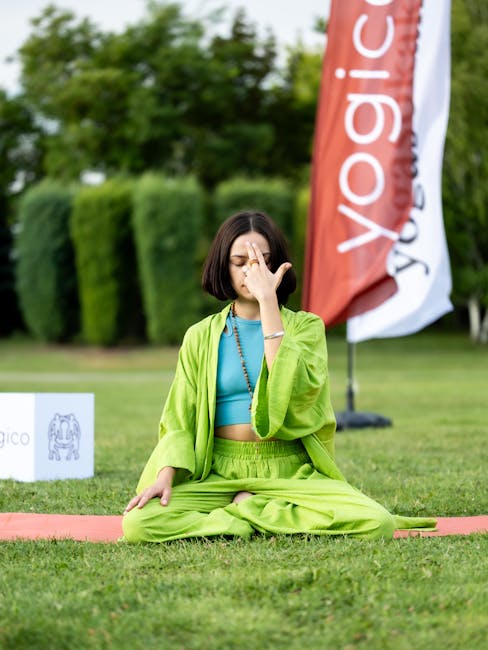
Discover the power of yoga meditation for healing mind and body
Introduction
You don’t need a retreat or a yoga studio to feel calmer, clearer, and more energized. With a few minutes of mindful movement and breath, you can shift your nervous system, ease tension, and reset your mindset. Discover the power of yoga meditation for healing mind and body by blending simple postures, breathwork, and focused awareness—right where you are. This gentle, time-tested practice nurtures both physical health and emotional balance, helping you manage stress, sleep better, and feel more at home in your body.
What is yoga meditation?
Yoga meditation brings together asana (postures), pranayama (breathwork), and dhyana (meditation) to create a holistic practice. Unlike fitness-only approaches, it uses movement to prepare the body for stillness, and breath to quiet the mind. The result is a grounded, centered state where healing can happen. When you Discover the power of yoga meditation for healing mind and body, you’re engaging your nervous system in a way that builds resilience and steadiness from the inside out.
Why it heals: the mind-body connection
– Downshifts stress: Slow, diaphragmatic breathing activates the vagus nerve and the parasympathetic “rest and digest” response, reducing cortisol and calming anxiety.
– Eases pain and tension: Gentle, mindful movement increases circulation, lubricates joints, and retrains the brain’s pain signals through relaxation and awareness.
– Improves mood and focus: Meditation supports neuroplasticity—strengthening attention, emotional regulation, and a more compassionate inner voice.
– Enhances sleep: Evening breathwork and restorative poses quiet mental chatter and help regulate circadian rhythms.
– Supports immunity and digestion: Stress reduction and deep breathing support healthier inflammation levels and better gut function.
Science is catching up to what yogis have known for centuries: consistent practice reduces stress and anxiety, supports chronic pain management, and improves quality of life. You don’t have to practice for hours to feel it. Even 10 minutes a day makes a difference.
How to start (no flexibility required)
– Set a small goal: 5–10 minutes most days. Consistency beats intensity.
– Choose a calm corner: Roll out a mat or towel; dim the lights; silence your phone.
– Move gently: A few slow cat-cow spinal waves, neck rolls, and hip circles to release stiffness.
– Breathe intentionally: Try a 4-count inhale, 6-count exhale to calm the nervous system.
– Sit in stillness: Focus on the sensation of breath, a simple mantra, or a kind intention.
– Close with gratitude: Acknowledge one thing your body did well today.
A 10-minute practice you can try today
1) Arrive (1 minute): Sit or lie down. Place one hand on your belly and one on your heart. Notice your breath without changing it.
2) Gentle movement (3 minutes):
– Cat-cow: Inhale arch, exhale round, 5–8 cycles.
– Forward fold over crossed legs or seated: Soften your jaw and shoulders.
– Shoulder rolls: Slow circles, 5 each direction.
3) Calm breath (3 minutes): Inhale for 4, exhale for 6. If comfortable, pause for 1–2 counts after the exhale. Keep it smooth and easy.
4) Meditation (2 minutes): Pick an anchor. Options:
– Breath at the nostrils.
– A mantra like “I am here.”
– Loving-kindness: “May I be safe, may I be well.”
When the mind wanders, gently return to your anchor without judgment.
5) Close (1 minute): Place your hands over your heart. Thank your body. Whisper an intention for the day or night.
As you Discover the power of yoga meditation for healing mind and body, customization is key—adapt poses, use pillows or a chair, and keep your breath comfortable. Pain is a cue to modify, not a mandate to push through.
Styles to explore
– Restorative and Yin: Longer holds with support to unwind deep tension and stress.
– Gentle Hatha: Slow, balanced sequences ideal for beginners or recovery days.
– Yoga Nidra: “Yogic sleep” guided relaxation for profound rest and better sleep.
– Breath-led Vinyasa: Smooth, mindful flow linking movement and breath for focus.
Tips for building a sustainable habit
– Pair it with something you already do: After brushing your teeth or before bed.
– Track it simply: Put a check on a calendar for each day you practice.
– Start tiny on tough days: Two minutes counts.
– Let it be imperfect: Fidgeting and wandering thoughts are part of the practice.
FAQs
Is yoga meditation the same as mindfulness or regular yoga?
Yoga meditation blends movement, breath, and seated awareness. Mindfulness can be practiced in any context, and yoga classes may focus more on fitness. Yoga meditation uses the strengths of all three.
How long should I practice to see results?
Even 5–10 minutes daily can reduce stress and improve mood within a few weeks. For deeper shifts in sleep, pain, or anxiety, aim for 20–30 minutes most days, or split into shorter sessions.
Do I need to be flexible?
No. Flexibility is an outcome, not a prerequisite. Use props, bend your knees, and prioritize comfort and steady breathing.
Can yoga meditation help with anxiety and sleep?
Yes. Slow exhalations and grounding postures calm the nervous system, while meditation reduces rumination. Evening practices like yoga nidra or restorative poses often improve sleep quality.
Is it religious?
Yoga has spiritual roots, but modern yoga meditation can be practiced in a secular way focused on health, resilience, and self-awareness. You decide how you frame your practice.
What if I have chronic pain or a medical condition?
Consult your healthcare provider and consider a qualified teacher, especially for conditions like spinal issues, cardiovascular concerns, or pregnancy. Choose gentle styles, avoid pain, and move within a pain-free range.
When is the best time to practice?
Any time you’ll be consistent. Many people like morning for focus or evening for stress relief. Micro-practices—two minutes of breath between meetings—also help.
How do I stay consistent when I’m busy?
Reduce friction. Keep a mat out, set a recurring reminder, and define “minimum viable practice” as two minutes. Consistency builds identity: when you show up, you see yourself as someone who cares for their mind and body.
Conclusion
Healing isn’t a single breakthrough; it’s the quiet accumulation of small, compassionate choices. When you Discover the power of yoga meditation for healing mind and body, you learn to meet stress with steadiness, pain with patience, and fatigue with deep rest. Start small, breathe deeply, and let your practice be a daily act of care. Over time, you’ll feel stronger, softer, clearer—and more connected to the life you’re living.
