
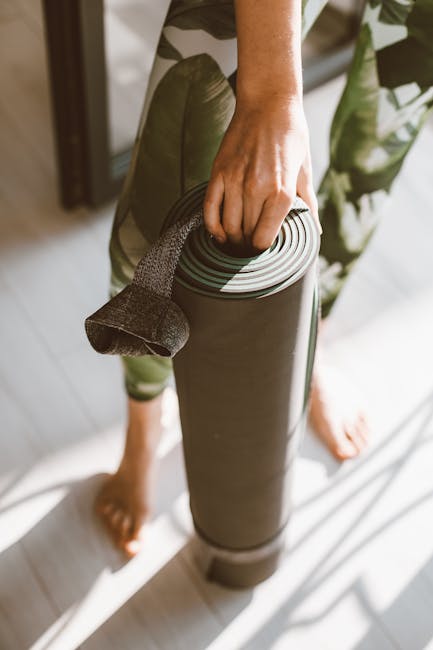
Yoga for women’s health: a holistic guide to balance strength and calm
Introduction
If you’ve been craving a wellness routine that builds physical strength while genuinely soothing your mind, yoga might be the answer you’ve been looking for. Think of this as Yoga for women’s health a holistic guide to balance strength and calm—an approachable roadmap to help you feel grounded, energized, and supported through every life stage. From menstrual health and fertility to pregnancy, postpartum recovery, and menopause, a thoughtful yoga practice can meet you where you are and evolve with you.
Why yoga supports women’s health
Yoga blends movement, breath, and mindfulness—three tools that work together to support your whole system.
– Hormonal harmony: Gentle movement and breathwork can help regulate the stress response, which may support more balanced hormones and reduce PMS-related tension.
– Strength and stability: Yoga builds functional strength in the core, glutes, and back, supporting posture, bone health, and daily movement.
– Pelvic floor awareness: Targeted poses promote both engagement and relaxation of the pelvic floor, key for bladder control, core stability, sexual health, and postpartum recovery.
– Stress, mood, and sleep: Mindful movement and breathing have been linked with lower stress, improved mood, and better sleep quality.
– Longevity and mobility: Yoga enhances joint range of motion, balance, and alignment—vital for staying active as you age.
Key elements of a balanced practice
To make Yoga for women’s health a holistic guide to balance strength and calm truly work for you, combine these elements:
– Strength-building postures: Plank, Chair, Warrior II, Bridge, and Goddess build muscle and bone-supporting load.
– Mobility and flexibility: Cat-Cow, Low Lunge, Triangle, and Sphinx loosen hips, hamstrings, and the spine.
– Pelvic floor balance: Bridge and Chair encourage gentle engagement; Child’s Pose and Happy Baby support release.
– Breathwork (pranayama): Diaphragmatic breathing calms the nervous system; Alternate Nostril (Nadi Shodhana) can steady mood and focus.
– Restorative shapes: Legs-Up-the-Wall and Supported Fish reduce fatigue and help reset the body after busy days or intense workouts.
– Mindfulness: A few minutes of guided relaxation or simple breath awareness helps integrate the benefits of your practice.
A simple 20-minute sequence you can try today
– Arrival (2 minutes): Sit or lie down. Place one hand on your abdomen and one on your chest. Inhale through the nose, feel the belly expand; exhale slowly. Repeat for 8–10 breaths.
– Cat-Cow (2 minutes): Warm up the spine, syncing breath and movement.
– Low Lunge to Half Split (3 minutes each side): Open the hips and hamstrings; keep a neutral lower back.
– Warrior II to Triangle (3 minutes total each side): Build strength and lateral mobility. Keep the front knee tracking over the toes.
– Bridge (2 minutes): Lift hips on inhales, lower on exhales. Option to hold for 3–5 breaths for glute and pelvic floor engagement.
– Seated Forward Fold (1 minute): Soften hamstrings; hinge from hips, keep spine long.
– Legs-Up-the-Wall or Supported Fish (4 minutes): Restorative closing posture for circulation and chest opening.
– Final rest (2 minutes): Lie down, scan the body, breathe slowly.
How to adapt through life stages
– Menstruation: Choose gentler flows, restorative poses, and breathwork. Avoid intense core compression if cramping is strong.
– Fertility and preconception: Focus on stress reduction, moderate strength, and pelvic floor balance. Avoid overheating and overly strenuous practice if advised by your provider.
– Pregnancy: Prioritize stability, balance, breath, and hip mobility. Skip deep twists, strong backbends, hot yoga, and long supine poses after the first trimester. Prenatal yoga classes are ideal.
– Postpartum: Start with breathwork, pelvic floor reconnection, and gentle core work once cleared by your provider. Gradually rebuild strength with Bridge, modified Plank, and standing poses.
– Perimenopause and menopause: Emphasize strength, balance, and bone density support (Warriors, Chair, weight-bearing poses) plus restorative practices for sleep and hot flash relief.
Weekly framework
Use this template to make Yoga for women’s health a holistic guide to balance strength and calm sustainable.
– Day 1: Strength and stability (25–35 minutes)
– Warm-up, standing series (Warrior II, Goddess, Chair), Plank variations, Bridge, short rest.
– Day 3: Mobility and release (20–30 minutes)
– Hip openers, spinal mobility, gentle forward folds, longer restorative closing.
– Day 5: Mindful flow + breath (20–30 minutes)
– Steady vinyasa linking breath and movement, finish with 5 minutes of breathwork and rest.
– Optional mini-sessions (5–10 minutes, any day)
– Legs-Up-the-Wall, diaphragmatic breathing, or a quick Cat-Cow and Child’s Pose reset.
Safety and smart modifications
– Use props: Blocks, straps, and bolsters make poses accessible and more effective.
– Pain is a no: Sharp or pinching pain means back out or modify.
– Bone health: If you have low bone density, favor extension and strengthening; avoid deep spinal flexion.
– Pelvic floor: Alternate engagement (exhale) and relaxation (inhale). If you experience leakage or heaviness, consult a pelvic health therapist.
– Medical conditions: For endometriosis, PCOS, hypertension, or injuries, choose moderate intensity and discuss specifics with your healthcare provider.
Lifestyle tips to amplify results
– Pair yoga with protein-rich, colorful meals for energy and recovery.
– Walk or strength train 2–3 days a week for heart and bone health.
– Prioritize sleep: A 5-minute nightly restorative pose can cue relaxation.
– Track your cycle or symptoms to tailor intensity and focus.
FAQs
1) How often should I practice?
Aim for 3–5 times per week. Even 10–20 minutes is effective when done consistently.
2) Is yoga safe during my period?
Yes. Opt for gentler sequences and restorative poses if you feel crampy. Skip intense inversions if they don’t feel good.
3) Can yoga help with menopause symptoms?
Many women report improved sleep, mood, and stress with regular practice. Strength-focused poses can support bone health, and cooling breathwork may ease hot flashes.
4) What’s better for core strength—yoga or Pilates?
Both help. Yoga builds integrated, functional strength and flexibility; Pilates offers targeted core conditioning. They complement each other well.
5) Can I do yoga if I’m pregnant or newly postpartum?
Yes, with modifications. Choose prenatal classes during pregnancy and get clearance from your provider postpartum. Start slow, focus on breath and pelvic floor, and progress gradually.
6) Will yoga help with weight management?
Yoga can support healthy habits, reduce stress-related eating, and build lean strength. Pair it with balanced nutrition and regular movement for best results.
Conclusion
When you think of Yoga for women’s health a holistic guide to balance strength and calm, imagine a practice that adapts to you—supporting strength on your busiest days and offering deep rest when you need to slow down. By combining steady movement, breath, and mindful rest, you can feel more grounded in your body, steadier in your mood, and confident through life’s changes. Start small, listen closely, and let your practice evolve. Your mat can be the place you return to for balance, strength, and calm—today and for years to come.
