
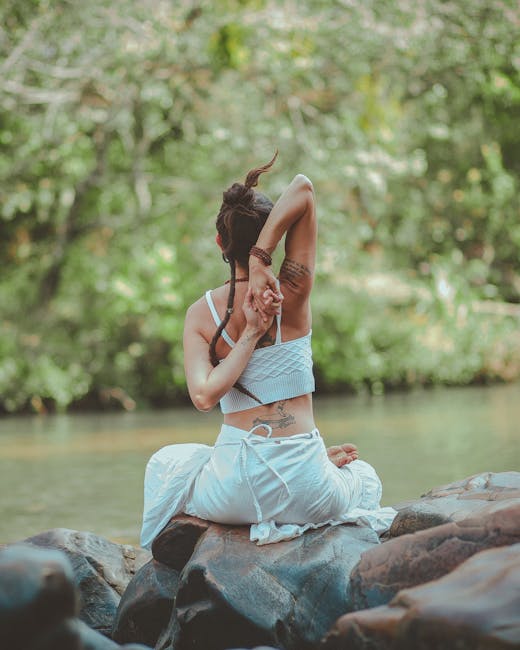
Essential Yoga Tips for Beginners at Home: Master Your Practice with Ease
Taking the first step into the world of yoga can be both exhilarating and intimidating. Yoga offers a myriad of health benefits such as improved flexibility, increased muscle strength, better posture, and enhanced mental clarity. However, starting a practice at home can leave beginners bewildered about where to begin. In this article, “Essential Yoga Tips for Beginners at Home: Master Your Practice with Ease,” we will unveil valuable tips and tricks to help you kickstart your journey into yoga with confidence and serenity.
Introduction to Yoga at Home
Yoga is a holistic discipline originating from ancient India, consisting of physical postures, breathwork, and meditation techniques designed to harmonize the body and mind. Practicing yoga at home has become increasingly popular, providing the flexibility to tailor your practice to your personal needs and schedule. However, without the guidance of a live instructor, beginners might find themselves lost in a sea of poses and information. Fear not — with the right approach, mastering yoga from the comfort of your own home is entirely attainable.
Setting Up Your Space
The first step in our “Essential Yoga Tips for Beginners at Home” is to create a conducive environment:
- Choose a Comfortable Spot: Find a quiet, tidy space where you can stretch out without limitations. Ensure this area is free from distractions to maintain focus and relaxation.
- Yoga Mat: Invest in a good quality yoga mat that provides adequate cushioning and grip.
- Essential Props: Depending on the style of yoga you choose, consider getting some props like yoga blocks, straps, or a bolster to help with your posture and flexibility.
Starting Your Practice
To master your practice with ease, it’s crucial to understand the foundations of yoga.
- Begin with the Basics: Start with simple poses like Mountain Pose, Warrior, or Tree Pose. These foundational poses help build stability and confidence.
- Follow Guided Sessions: There are numerous online resources available. Beginners can benefit from following virtual classes specifically designed for their level, to ensure correct form and prevent injuries.
- Listen to Your Body: Yoga is not about competition; it’s about personal growth and listening to your body. Do not push yourself into pain. Recognize your limits and work gently towards extending them.
Breathing Techniques
Breathing is integral to yoga. Proper breathing helps control the body and mind, facilitating a deeper connection and better practice.
- Practice Pranayama: Before starting your poses, practice breathing exercises like Kapalabhati (Skull Shining Breath) or Nadi Shodhana (Alternate Nostril Breathing). These can help clear your mind and prepare your body for yoga.
- Incorporate Breathing into Poses: Always synchronize your breath with your movements. This will help in maintaining balance and deepening the postures.
Consistency and Patience
- Set a Regular Schedule: Like any new skill, regular practice is key in yoga. Try to set a specific time each day for your yoga practice to establish a routine.
- Track Your Progress: Keeping a yoga journal can help you notice improvements over time, understand patterns, and keep you motivated.
Learning and Growing
- Continuously Learn: As you grow more comfortable with the basics, gradually introduce more challenging poses and techniques into your routine.
- Stay Inspired: Reading books about yoga, following yogis on social media, or listening to health and wellness podcasts can keep your motivation high.
Community and Interaction
- Join Online Communities: Engaging with fellow yoga beginners online can provide support, answer your questions, and make your journey less isolating.
- Attend Workshops or Retreats: Occasionally, try attending a workshop or retreat to refine your technique and meet like-minded individuals.
Frequently Asked Questions
Q1: How long should a beginner practice yoga at home?
- Start with short sessions, about 15-30 minutes, and gradually increase as you feel more comfortable.
Q2: What are the essential yoga poses for beginners?
- Some essential poses include the Downward Facing Dog, Plank, Cobra, Child’s Pose, and Savasana.
Q3: Can yoga help with stress?
- Absolutely! Yoga reduces stress and anxiety through its calming movements and breathwork focused on overall mindfulness.
Q4: What if I am not flexible?
- Flexibility is a product of yoga, not a prerequisite. Everyone starts somewhere, and with consistent practice, your flexibility will naturally improve.
Conclusion
Starting your yoga journey at home can be a wonderful way to transform your health and wellbeing. Remember, the key to mastering “Essential Yoga Tips for Beginners at Home: Master Your Practice with Ease” lies in patience, persistence, and a positive mindset. Each yoga session is a step towards a more balanced and harmonious self. So, unroll your mat, embrace the challenges, and relish each moment of your newfound path to wellness. Namaste!
