
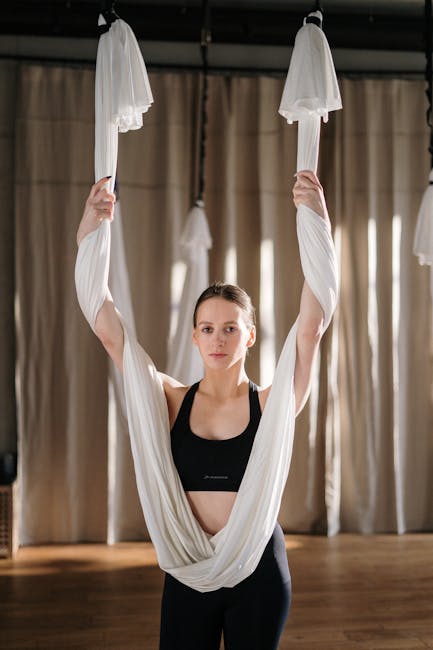
Perfect Yoga Flow Sequence for Beginners: Mastering the Basics
Starting a yoga practice can be a transformative, empowering, and deeply personal journey. For beginners, navigating through varied postures and understanding the essence of flow can be overwhelming. However, mastering a simple “Perfect Yoga Flow Sequence for Beginners” can pave the way to more advanced practices and a richer experience of what yoga has to offer. Let’s dive into a straightforward sequence that will help build your confidence, enhance your flexibility, and ground your mindfulness practice.
Introduction to Yoga Flow Sequence for Beginners
Yoga is not just physical exercise; it is a blend of spiritual elevation and mental relaxation. The practice dates back thousands of years, originating from ancient India, and is designed to help practitioners achieve a harmonious balance between body and mind. For beginners, starting with a yoga flow sequence helps in easing into the practice without overwhelming the body or mind.
What is a Flow Sequence?
A flow sequence in yoga, often linked with Vinyasa or Hatha practices, focuses on the seamless transition between asanas (postures) linked by breathwork. This continuity creates a fluid movement that not only helps in building muscle tone and flexibility but also enhances cardiovascular health and mental focus.
Let’s walk through a simple yet perfect yoga flow sequence for beginners focused on mastering the basics.
Warm-Up
1. Breath Awareness (Pranayama):
Before jumping into any posture, spend a few minutes sitting comfortably, ideally in a cross-legged position, focusing on deep, rhythmic breathing. This helps calm the mind and prepare the body for the sequence.
2. Gentle Neck Stretches:
Slowly rotate your neck, guiding your range of motion gradually from one shoulder to the other, forward and back. This helps in releasing tension and preparing for more complex movements.
Core Sequence
3. Cat-Cow (Marjariasana to Bitilasana):
Begin on your hands and knees. As you inhale, arch your back, lifting your head and tailbone toward the ceiling (Cow Pose). As you exhale, round your back, bringing your chin toward your chest (Cat Pose). This asana promotes spinal flexibility and clears tension in the torso.
4. Downward Facing Dog (Adho Mukha Svanasana):
From Cat-Cow, tuck your toes, lift your hips, and push back into a downward-facing dog. Spread your fingers wide, press through your palms, and aim to bring your heels gently down to the floor. Hold for a few breaths for an all-over rejuvenating stretch.
5. Warrior I (Virabhadrasana I):
Step your right foot between your hands, raise your arms overhead, and lift your torso. Keep your left foot grounded with a slight angle. Ensure your right knee is over the ankle and your hips are square. This pose builds leg strength, opens the hips, and facilitates focus and balance.
6. Warrior II (Virabhadrasana II):
From Warrior I, open your arms to extend parallel to the ground, turning your head to look over your right fingertips, and pivot your left foot to a 90-degree angle. This strengthens the legs and arms, opens the chest and shoulders, and helps develop concentration and stamina.
7. Tree Pose (Vrikshasana):
Return to a standing position. Shift your weight onto your left leg, placing the sole of your right foot on your left inner thigh, toes facing downward. Bring hands into prayer position at your chest or extend them overhead. This pose aids in balance and focuses on inner and outer strength.
Cool Down
8. Seated Forward Bend (Paschimottanasana):
Sit with your legs extended forward. Inhale and extend your arms overhead, and as you exhale, hinge forward from your hips, reaching for your toes. This stretches the spine and hamstrings and soothes anxiety.
9. Corpse Pose (Savasana):
Lie down on your back, allowing your feet to fall open and your arms to rest comfortably at your sides, palms facing up. Close your eyes and focus on deep breathing. Stay in this pose for a few minutes to allow your body to absorb the benefits of your practice.
Frequently Asked Questions
Q1: How often should I practice this yoga flow sequence?
A1: For beginners, it’s advisable to practice this sequence at least 3 times a week. This establishes a good physical and mental foundation for deeper practices.
Q2: What are the main benefits of sticking to a basic flow sequence as a beginner?
A2: A basic flow sequence helps build a solid foundation in form, improves flexibility, enhances respiratory and cardiovascular functions, and stabilizes emotional health.
Q3: Can yoga help with weight management?
A3: Yes, regular yoga practice can aid in weight management by boosting metabolism, burning calories, and reducing stress, which is often linked to weight gain.
Conclusion
Mastering this perfect yoga flow sequence for beginners is not just about learning to perform various poses; it’s about initiating a conversation with your body and respecting its boundaries and potentials. Consistency is key in yoga, as with any other physical practice. Over time, this basic sequence will feel easier, and you might find yourself ready to explore more challenging poses and sequences. Remember, it’s not about perfection but progress. Embrace the journey, and let the transformative power of yoga flow through you.
