
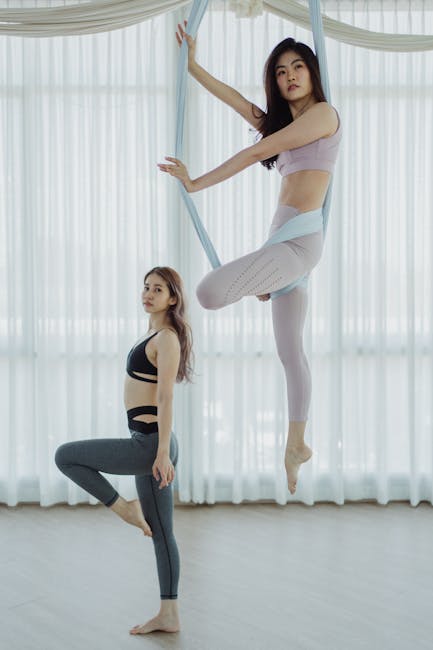
Unlock Your Stretch: Best Yoga Poses for Flexibility
When it comes to enhancing flexibility, yoga is perhaps one of the most effective forms of exercise. Not only does yoga improve flexibility, but it also boosts strength, balance, and stress levels. If you’re on a quest to become more flexible, incorporating “Unlock Your Stretch: Best Yoga Poses for Flexibility” into your daily routine could be your key to success. Whether you’re a beginner or an experienced yogi, these poses are designed to gently increase your range of motion and help you achieve those stretch goals.
Introduction to Yoga and Flexibility
Yoga is an ancient practice that combines physical poses, controlled breathing, and meditation or relaxation. It helps in improving flexibility and mobility by stretching and lengthening the muscles in a low-impact manner. Regular practice not only leads to better muscle and joint flexibility but also enhances body alignment and posture.
Flexibility varies significantly from one person to another and achieving it is a gradual process. “Unlock Your Stretch: Best Yoga Poses for Flexibility” involves a series of poses that target various muscle groups, promoting overall suppleness in the body.
The Best Yoga Poses for Flexibility
-
Paschimottanasana (Seated Forward Bend)
Ideal for stretching the spine, shoulders, and hamstrings, this forward bend can also help calm the mind and relieve stress. Beginners can use a yoga strap around the feet to ease into this stretch. -
Baddha Konasana (Butterfly Pose)
This pose helps open up the hips and thighs and is excellent for improving the flexibility of the groin and knees. Sit with your feet together, pressing the soles against each other while gently pushing the knees down with your elbows. -
Anjaneyasana (Low Lunge)
An excellent pose for stretching the hip flexors, it also helps in opening up the chest and improving balance. Step one foot forward into a lunge, lowering your back knee to the floor, and lift your arms above your head for an added stretch. -
Balasana (Child’s Pose)
A restorative, relaxing pose that stretches the hips, thighs, and ankles, while reducing stress and fatigue. Kneeling on the floor, touch your big toes together, sit on your heels, then separate your knees about as wide as your hips and lay your torso down between your thighs. -
Uttanasana (Standing Forward Bend)
Not only does this pose help stretch the hamstrings and calves, but it’s also useful for strengthening the thighs and knees. Stand tall, exhale, hinge at your hips and lengthen your front torso as you go into a full forward bend. -
Ardha Matsyendrasana (Half Lord of the Fishes Pose)
This seated twist increases the flexibility of the spine and shoulders. It also aids in stimulating the liver and kidneys. Be sure to twist from your abdomen rather than cranking your neck or shoulders. -
Adho Mukha Svanasana (Downward-Facing Dog)
A staple in many yoga practices, this pose stretches the shoulders, hamstrings, calves, arches, and hands. With your body in an inverted V-shape, push your hands down into the ground and lengthen your neck.
These poses are the building blocks for improving flexibility. It’s important to perform each pose with proper alignment to prevent injuries. As you progress, these stretches will become easier, and you’ll notice an improvement in your flexibility.
Frequently Asked Questions (FAQs):
Q1: How often should I practice these yoga poses?
A1: For the best results in improving flexibility, aim to practice these poses 3-5 times a week. Consistency is crucial for progress in flexibility training.
Q2: How long should I hold each yoga pose?
A2: Beginners should aim to hold each pose for about 10-30 seconds, gradually increasing the duration as the muscle stretches and becomes more comfortable.
Q3: Should I warm up before performing these yoga poses?
A3: Yes, warming up with a few minutes of light physical activity like walking or gentle stretching is recommended. This helps to increase circulation to the muscles and reduces the risk of injuries.
Q4: Can yoga poses alone improve flexibility, or should I incorporate other forms of exercise?
A4: While yoga is extremely effective for increasing flexibility, combining it with other forms of exercise like strength training or swimming can provide comprehensive benefits and aid in overall body conditioning and flexibility.
Conclusion
Unlocking your stretch through the best yoga poses for flexibility is a journey that requires patience and persistence. Yoga not only helps in lengthening and strengthening the muscles but also teaches you to maintain a balance between your body and mind. Embrace these poses from the “Unlock Your Stretch: Best Yoga Poses for Flexibility” practice, and enjoy the transformative effects they bring to both your physical and mental health. Remember, the key to enhanced flexibility is consistent practice, so filter these poses into your daily routine and witness the gradual increase in your flexibility and overall well-being.
