
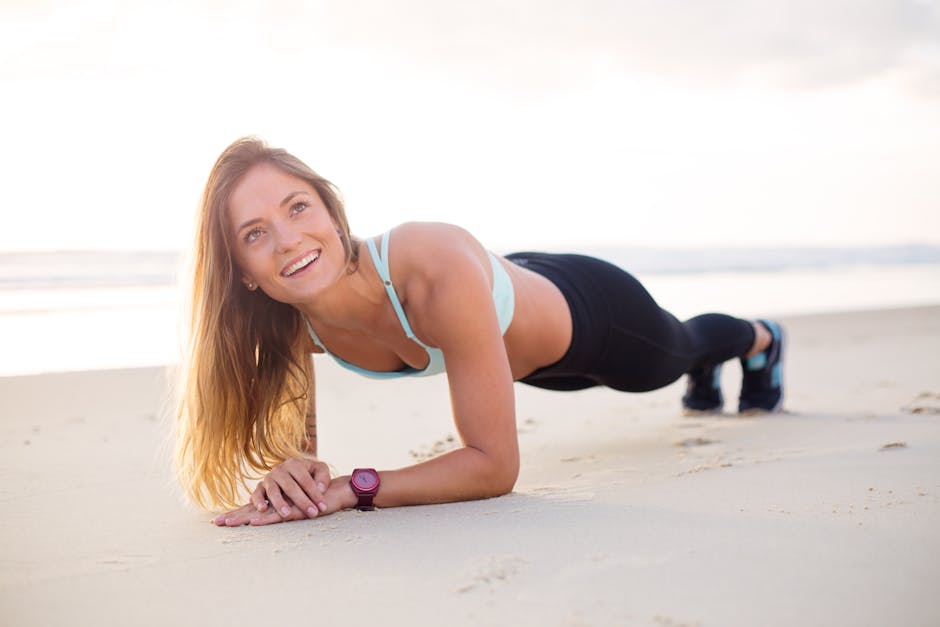
Beginner Yoga Stretches for Flexibility: Improve Your Range of Motion with Ease
For those new to the yoga mat, the words “flexibility” and “yoga” might seem synonymous, conjuring images of perfectly poised practitioners bending effortlessly into complex poses. However, yoga is not just for the inherently limber; it’s a progressive journey accessible to everyone, regardless of their starting flexibility level. Particularly, beginner yoga stretches for flexibility are designed to gently increase your range of motion, easing you into a more limber lifestyle with both grace and safety.
Understanding the Basics of Flexibility Through Yoga
Flexibility is not merely about being able to touch your toes or split into a full straddle; it’s about reducing stiffness, enhancing movement efficiency, and preventing injuries. Engaging in beginner yoga stretches for flexibility facilitates a gradual elongation of muscles and an increase in joint mobility. This makes everyday activities smoother and safeguards against the strains and stresses our bodies endure over time.
Yoga introduces this flexibility through poses (asanas) that stretch, strengthen, and balance the body. A consistent yoga practice not only improves physical flexibility but also incorporates breath work (pranayama) and meditation (dhyana), promoting mental and emotional flexibility and resilience.
The Best Beginner Yoga Stretches for Flexibility
Let’s explore some of the most effective beginner yoga stretches for flexibility that you can start doing today. These poses are simple enough for beginners and will set the foundation for a sustainable, safe, and satisfying yoga practice.
-
Cat-Cow Stretch (Chakravakasana)
Begin on all fours in a tabletop position. As you inhale, arch your back, tilt your head backward, and lift your tailbone—entering the cow position. As you exhale, round your spine, tuck your tailbone, and bring your chin towards your chest—entering the cat position. This motion helps increase spinal flexibility and ease tension in the torso and neck. -
Standing Forward Bend (Uttanasana)
Stand with your feet hip-width apart. As you exhale, hinge at your hips and fold forward, keeping your knees slightly bent. Let your head hang freely, aiming to touch your knees with your nose. This pose stretches the hamstrings and calves and can help relieve tension in the back. -
Low Lunge (Anjaneyasana)
Start in a standing forward bend, then step one foot back into a lunge, lowering your back knee to the ground. Raise your arms and chest up, while pressing your hips downward. This asana is great for opening up the hip flexors, which are crucial for overall flexibility. -
Seated Forward Bend (Paschimottanasana)
Sit on the floor with your legs extended in front of you. Inhale and lift your arms above your head, then exhale and fold forward from your hips, reaching for your feet. This forward bend deeply stretches the entire back side of your body, from your calves to your hamstrings, to your spine. -
Butterfly Pose (Baddha Konasana)
Sit with your spine straight and your legs bent at the knees, bringing the soles of your feet together. Hold your feet with your hands and gently press your knees down towards the floor. This pose helps in opening up the inner thighs, hips, and lower back.
FAQs about Beginner Yoga Stretches for Flexibility
-
How often should I do these yoga stretches?
For best results, aim to practice these stretches at least 3-4 times per week. Consistency is key in building and maintaining flexibility. -
How long should I hold each yoga pose?
Start by holding each pose for about 15-30 seconds, gradually increasing the duration as you gain comfort and flexibility. -
Do I need any equipment?
A yoga mat is recommended for comfort and stability, but beyond that, no special equipment is necessary. Optionally, yoga blocks and straps can be used to aid in stretching. -
Can yoga improve flexibility at any age?
Absolutely! Yoga is a universally accessible practice beneficial at any stage of life. The key is to start with appropriate stretches for your current flexibility and gradually expand your range of motion.
Conclusion: Embracing a More Flexible Future
Starting with beginner yoga stretches for flexibility is an excellent way to ease into a healthier, more balanced lifestyle. Not only do these stretches improve your physical range of motion, but they also encourage a mindful connection with your body, reducing stress and enhancing overall well-being. Remember, flexibility is a journey, not a destination, and with consistent practice using beginner yoga stretches for flexibility, you’ll find yourself moving with more ease and less discomfort each day. So, roll out your mat and begin your journey towards a more flexible, vibrant you with beginner yoga stretches for flexibility: improve your range of motion with ease!
