
Beginner’s Guide: How to Start Yoga at Home
Starting a yoga practice at home can often seem a little daunting. Maybe you’ve heard about the great benefits, like increased flexibility, improved strength, and enhanced mental clarity but are unsure where to begin. Fear not! This beginner’s guide on how to start yoga at home is designed to gently introduce you to this transformative practice and help you set off on your yoga journey with confidence and excitement.
Introduction to Yoga at Home
Yoga, an ancient practice that originates from India, incorporates physical postures (asanas), breathwork (pranayama), and meditation. It can be practiced anywhere, but beginning at home offers a comfortable, personal space where you can explore at your own pace. Engaging in yoga at home not only saves time and money but also allows you to personalize your practice according to your needs each day.
When just starting out, the key is simplicity. Start small, setting realistic goals, and gradually expanding your practice as you gain confidence and strength.
Setting Up Your Space
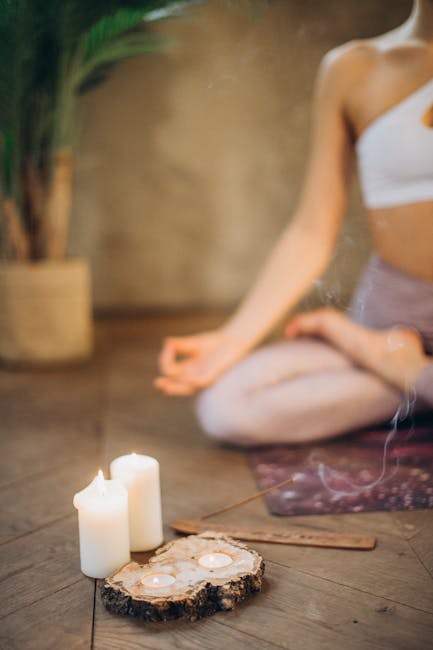
The first step in your beginner’s guide on how to start yoga at home is to create a space conducive to calm and focus. You don’t need a lot of room, just enough to stretch out fully. Ideally, find a quiet corner where you won’t be disturbed, with enough natural light. Laying down a yoga mat will improve your grip and help define your personal practice area. Adding a few personal items like a candle, a plant, or some calming artwork can also help set the mood and make the space inviting.
Choosing the Right Materials
To start your home yoga practice, you need very minimal equipment. A good, non-slip yoga mat is essential. As you progress, you might want to invest in some additional props like yoga blocks, a strap, or a bolster, which can help you safely achieve various poses and increase your range of motion. You can find these items online or at any sports goods store.
Getting Started with Basic Poses
For those new to yoga, understanding and performing the basic poses is crucial. Begin with foundational poses such as:
- Mountain Pose (Tadasana) – This pose teaches basic alignment and forms the starting point for all standing poses.
- Downward-Facing Dog (Adho Mukha Svanasana) – A staple yoga pose, beneficial for strengthening the entire body.
- Warrior II (Virabhadrasana II) – Great for building leg and core strength.
- Tree Pose (Vrikshasana) – Helps improve balance and focus.
- Seated Forward Bend (Paschimottanasana) – Excellent for stretching the back and calming the mind.
Following Along with Online Resources
One of the great advantages of starting yoga at home today is the wealth of resources available online. There are countless free and paid yoga videos tailored to all levels and styles. For beginners, it might be helpful to follow videos initially as they provide visual and verbal guidance. Websites like YouTube have a plethora of tutorials and classes. Alternatively, subscribing to dedicated yoga platforms like Glo or Yoga International can offer more in-depth sessions and guidance.
Creating a Routine
Consistency is key when embarking on a new journey like yoga. Try to carve out regular times each week to practice, treating these as unmovable appointments with yourself. Start with short, 20-minute sessions. Gradually, as your strength and confidence build, you can extend these to longer sessions or more frequent practice.
Listening to Your Body
As a beginner, it’s paramount to listen to your body and understand its limits. Yoga is not about competition; it’s a personal practice where mindfulness and bodily awareness are cultivated. If a pose causes pain, try to modify it, use props, or skip it. Yoga should challenge your body and mind but not cause pain.
FAQs about How to Start Yoga at Home
Q1: Do I need a special type of yoga mat?
A1: While any exercise mat can work, a yoga-specific mat is designed to prevent slipping and provide adequate cushioning. This can be particularly helpful for beginners.
Q2: How long should a beginner’s yoga session last?
A2: Starting with short sessions of about 20-30 minutes is ideal. As you grow more accustomed to the practice, you may extend the duration according to your comfort level.
Q3: Can I do yoga every day as a beginner?
A3: Yes, gentle yoga can be practiced daily. However, listen to your body and give yourself rest days when needed, especially after intense sessions.
Q4: What is the best time to practice yoga?
A4: Yoga can be practiced any time that fits into your schedule. Many prefer mornings because it sets a positive tone for the day, but practicing in the evening can help release the tension of the day and prepare for a good night’s sleep.
Conclusion
Embarking on a journey to start yoga at home can transform not just your physical well-being but also your mental and emotional states. Setting up a dedicated space, beginning with the basics, utilizing online resources, and maintaining a routine are all integral steps on this path. Remember, every yogi started somewhere, and with patience and persistence, you’ll see your skills expand and deepen. Welcome every progress on the mat, big or small, and continue exploring the unique experiences of your personal yoga practice. Happy practicing!
