
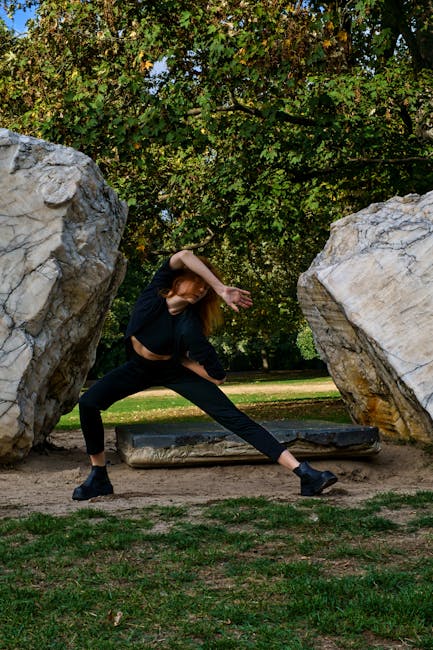
Calm Your Mind Fast with yoga for stress and anxiety meditation
When your thoughts are racing and your body is buzzing with stress, it can feel impossible to find stillness. The good news: you don’t need an hour-long class or a silent retreat to reset. You can Calm Your Mind Fast with yoga for stress and anxiety meditation in just a few minutes, right where you are. With gentle movement, intentional breathing, and simple mindfulness, you’ll cue your nervous system to shift from fight-or-flight into rest-and-digest—quickly and reliably.
Why yoga and meditation calm you quickly
– Breath leads the brain: Slow, steady breathing sends a safety signal through the vagus nerve, lowering heart rate and easing tension.
– Movement discharges stress: Gentle poses release tight muscles and soothe an overactive mind by anchoring you in the present moment.
– Focus interrupts spirals: A simple meditation or mantra redirects attention away from worry loops and back into your body.
Try this 5-minute reset to Calm Your Mind Fast
No mat needed. If anything feels uncomfortable, back off and breathe.
1) Ground (30–45 seconds)
– Sit or stand with feet flat. Press your feet down and feel the floor support you.
– Place one hand on your belly, one on your chest. Inhale through your nose for a count of 4, exhale for 6. Two rounds.
2) Box breathing (60 seconds)
– Inhale for 4, hold 4, exhale 4, hold 4. Repeat 4 cycles.
– Keep shoulders relaxed and jaw soft. If holding the breath feels edgy, skip the holds and just exhale longer than you inhale.
3) Gentle flow (90 seconds)
– Cat–Cow: On hands and knees (or seated), inhale arch, exhale round. 5–8 slow rounds.
– Child’s Pose or Seated Fold: Hips back, forehead supported on hands or a book. Take 3 deep breaths into your back ribs.
– Standing Forward Fold: Soften knees, let head hang heavy. Sway gently side to side.
4) Restorative release (60–90 seconds)
– Legs Up the Wall: Lie down and rest your calves on a chair or your legs up a wall. Breathe naturally. If not possible, recline with feet on the floor and a cushion under your knees.
– Optional: Humming exhale (like a soft “mmm”) to vibrate the vagus nerve and quiet the mind.
5) Two-minute meditation
– Try one:
– Counting Breath: Inhale to 4, exhale to 6. Count 10 breaths.
– Labeling: Silently note “inhale” on the in-breath, “exhale” on the out-breath. When thoughts arise, acknowledge “thinking,” then return to the breath.
– Mantra: Repeat “I am safe” or “This will pass” on each exhale.
That’s it—a practical way to Calm Your Mind Fast with yoga for stress and anxiety meditation that fits into busy days or overwhelming moments.
At your desk or in public
– Seated Cat–Cow: Inhale lift chest, exhale round shoulders. 5 rounds.
– Anxious energy reset: Press palms together firmly for 10 seconds, release, and take a slow exhale.
– Alternate Nostril Breathing (subtle version): Without the hand gesture, imagine breathing in one nostril and out the other, switching sides each breath. It’s discreet and calming.
Tips to make it stick
– Pair it with a trigger: Before opening email, after a meeting, or when you park your car, do a one-minute breath practice.
– Keep a “calm kit”: Eye pillow, headphones, and a timer. A favorite calming playlist helps you drop in faster.
– Start small: One minute, done daily, beats 20 minutes once a week. Consistency trains your nervous system.
Common mistakes to avoid
– Pushing too hard: This is not a workout. Choose ease over intensity.
– Forcing stillness: If sitting feels impossible, start with movement first. Calm often follows gentle motion.
– Breath strain: If you feel breathless, shorten the counts. Comfort over perfection.
Beginner-friendly poses for stress relief
– Child’s Pose: Soothes the back body and mind. Place a cushion under your hips or chest if tight.
– Supine Twist: Lie on your back, drop knees to one side, breathe into your side ribs.
– Supported Bridge: Pillow under the sacrum, knees bent, feet on floor. Melts tension in the low back and hips.
– Seated Forward Fold: Slight bend in knees, rest belly on thighs, round forward comfortably.
How often should you practice?
– For maintenance: 5–10 minutes daily.
– For high-stress days: 2–3 mini-sessions spread through the day.
– For deeper work: One longer session weekly to explore slower restorative yoga and guided meditation.
FAQs
How fast can I expect to feel calmer?
Many people notice a shift within 2–5 minutes, especially with longer exhales or box breathing. The more consistently you practice, the quicker your system responds.
Can I use these tools during a panic attack?
Yes—focus on exhaling slowly and grounding through your senses: name five things you see, four you feel, three you hear, two you smell, one you taste. Gentle movement and a soft mantra can help. If panic is frequent or severe, reach out to a healthcare professional.
Do I need special equipment?
No. A chair, wall, or pillow is plenty. Comfort is the goal. Props simply make it easier to relax.
What if my mind won’t stop racing?
Let it be noisy. Keep your attention on the physical sensation of breathing or on the contact points (feet, seat, back). Label thoughts “thinking” and return to the next inhale. Progress is returning, not perfect stillness.
Is this a replacement for therapy or medication?
Yoga and meditation are supportive tools for stress and mild anxiety. They’re not a substitute for professional care. If anxiety disrupts daily life, consult a licensed provider.
What time of day is best?
Anytime you can be consistent. Morning sets a calm tone; mid-day breaks prevent overload; evening practices help you wind down.
What’s the difference between gentle yoga for stress and a sweaty power class?
For calming, prioritize slow breathing, longer exhales, supported poses, and mindful transitions. Vigorous classes can be great, but for quick calm, gentler is often more effective.
Safety notes
– Move within a pain-free range. If you have injuries, pregnancy, glaucoma, or blood pressure concerns, modify inversions like Legs Up the Wall or consult your clinician.
– Dizziness or distress is a cue to stop, return to a natural breath, and rest.
Conclusion
You don’t have to wait for the perfect moment to feel better. You can Calm Your Mind Fast with yoga for stress and anxiety meditation by combining a few minutes of breath, gentle movement, and simple focus. Start with the 5-minute reset above and practice it daily for a week. Notice how your body softens, your breath lengthens, and your mind finds space. Calm isn’t a place you visit—it’s a skill you build, one steady breath at a time.
