
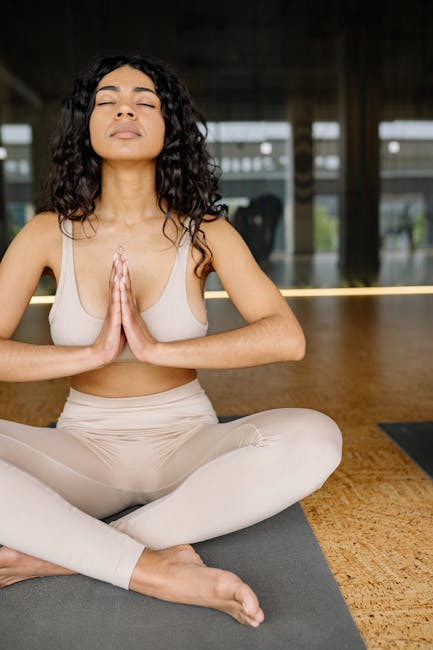
Daily Yoga Habits for Wellness: Simple Rituals to Energize Your Mind and Body
Introduction
If you’ve ever promised yourself you’d start yoga “someday,” consider this your friendly nudge. You don’t need a 60-minute studio class or a fancy mat to feel a difference. The real magic lies in daily yoga habits for wellness: simple rituals to energize your mind and body. Think five minutes of breathwork before emails, a couple of gentle stretches after lunch, and a soothing evening wind-down routine. These micro-practices stack up, improving mobility, easing stress, and helping you feel more grounded. Let’s keep it practical and doable—so you can start today, not someday.
Why tiny daily rituals work
– Consistency beats intensity: A little daily movement builds momentum and keeps stiffness at bay.
– Stress relief on demand: Breathwork and mindful movement calm the nervous system fast.
– Accessible anywhere: Chair twists, wrist stretches, and standing poses fit into busy schedules.
– Habit-friendly: Short, rewarding routines are easier to keep than long, sporadic workouts.
Morning energizers (5–10 minutes)
Set the tone for the day with a quick routine that wakes up your spine, hips, and breath.
– Hydrate and arrive: Sip water, stand tall, and take three slow, deep breaths.
– Cat-Cow x 5: On hands and knees, alternate arching and rounding your spine.
– Low Lunge x 3 breaths each side: Step one foot forward, sink the hips to open the hip flexors.
– Sun Salutation A x 2: Flow through forward fold, half lift, plank or modified plank, cobra or baby cobra, and downward dog.
– Standing side stretch: Reach arms overhead, lean side to side.
– Set an intention: Choose a word—steady, curious, kind—to guide your day.
Desk reset (2–5 minutes)
When your afternoon energy dips, short stretches re-energize your body and focus.
– Neck release: Gently tilt ear to shoulder, then switch sides.
– Shoulder flossing: Roll shoulders up, back, and down 10 times.
– Seated twist: Hand to opposite knee, lengthen and rotate gently.
– Wrist care: Flex and extend wrists, circle hands.
– Box breathing: Inhale 4, hold 4, exhale 4, hold 4 for 4 rounds.
Evening unwind (5–15 minutes)
Signal your body it’s safe to slow down. This helps digestion, sleep, and recovery.
– Forward fold: Soft knees, drape your torso over your thighs, breathe deeply.
– Pigeon or Figure-Four: Open the hips; if on your back, cross ankle over knee.
– Legs Up the Wall: 3–5 minutes elevating legs to soothe tired feet and calm the mind.
– Supported child’s pose: Cushion your torso on a pillow for comfort.
– Gratitude breath: Three slow breaths, mentally naming one thing you’re grateful for with each exhale.
Weekly anchor (20–40 minutes)
Choose one longer session to explore a class, build strength, and deepen breath-movement sync.
– Try a gentle flow, restorative class, or beginner’s strength-focused sequence.
– Mix in balance work (Tree Pose) and core (Boat Pose variations) for stability.
A simple 10-minute full-body sequence
– 1 minute: Seated breath—inhale 4, exhale 6.
– 2 minutes: Cat-Cow and Thread the Needle (each side).
– 2 minutes: Low Lunge to Half Split flow (each side).
– 2 minutes: Downward Dog to Plank waves (gentle).
– 2 minutes: Standing flow—Forward Fold, Half Lift, Chair Pose, Mountain.
– 1 minute: Supine twist and rest.
Habit-building tips that actually stick
– Stack it: Attach a mini-practice to habits you already have (after brushing teeth, before coffee).
– Keep it visible: Leave your mat where you’ll see it; pre-save a 10-minute playlist.
– Track tiny wins: Check a box daily; aim for “don’t break the chain.”
– Remove friction: Comfortable clothes, simple routines, and realistic goals keep you showing up.
– Be kind to your body: Modify shapes to your range, and only push to a comfortable edge.
Safety first
– Pain is a no: Discomfort from effort is okay; sharp pain is not.
– Honor your energy: Some days call for restorative shapes and breathwork.
– Personalize: Use blocks, cushions, or a chair for support; every body is different.
FAQs
What’s the best time to practice?
The best time is the one you’ll keep. Many people love a short morning flow for energy and an evening unwind for sleep. The key is daily yoga habits for wellness: simple rituals to energize your mind and body that fit your schedule.
How long should a daily practice be?
Even 5–10 minutes counts. Consistency matters more than duration. Aim for short dailies plus one longer session weekly.
I’m a beginner. Where do I start?
Start with breathwork, gentle stretches (Cat-Cow, Low Lunge, Forward Fold), and a brief relaxation. Follow a beginner video or the 10-minute sequence above.
Do I need a mat or props?
A mat helps with grip but isn’t mandatory. A towel, chair, and a couple of books can replace props. Comfort and safety come first.
Can yoga replace my workouts?
Yoga can complement strength and cardio. If you love running or lifting, keep them and use yoga to improve mobility, core stability, and recovery.
What if I sit all day?
Desk-friendly moves—neck releases, shoulder rolls, wrist stretches, and seated twists—are perfect. Sprinkle 2–3 minute resets every 60–90 minutes.
Is yoga good for stress and sleep?
Yes. Slow breathing, restorative poses, and consistent evening routines help downshift the nervous system, making it easier to fall and stay asleep.
How do I stay motivated?
Make it enjoyable: favorite music, a cozy corner, supportive props, and short, reliable routines. Track your streak and celebrate small consistency wins.
Bringing it all together
You don’t need to overhaul your life to feel better—you just need to weave in daily yoga habits for wellness: simple rituals to energize your mind and body. Start with one practice: three deep breaths in the morning, a two-minute desk stretch, or five minutes with your legs up the wall tonight. Let those moments accumulate into a steady, supportive rhythm that lifts your energy, sharpens your focus, and softens the edges of stress. Your body and mind will thank you—not someday, but today.
