
Exploring Inner Peace: How Yoga for Self Awareness Enhances Meditation
In today’s fast-paced world, finding a moment of tranquility can seem like a distant dream. But what if the key to unlocking this inner peace was through a practice as ancient as time itself? Engaging in yoga for self-awareness is not only beneficial for the body but also profoundly enhances the meditation experience. Exploring inner peace through these interconnected disciplines fosters a deep connection between mind, body, and spirit. Let’s delve deeper into how yoga for self-awareness can enhance meditation and lead us on a path to true tranquility.
Introduction to Self-Awareness Through Yoga
Yoga, an age-old practice with roots in ancient India, not only maintains physical well-being but also intensifies mental focus and spiritual growth. When yoga is specifically aimed at fostering self-awareness, it becomes a powerful tool for introspection and personal insight. This approach to yoga involves a variety of asanas (poses), pranayama (breathing exercises), and dhyana (meditation), each structured to bring attention inward and promote an awareness of both body and mental state.
The Synergy Between Yoga and Meditation
Yoga and meditation share a symbiotic relationship. Regular yoga practice prepares the body for meditation, making it easier to sit still for extended periods. Furthermore, the mindfulness cultivated during yoga helps to focus the mind, reducing the chatter that often invades meditation sessions. This synergy is particularly potent for those exploring inner peace, as it facilitates a smoother transition into deep meditative states, where true self-reflection is possible.
How Yoga for Self Awareness Enhances Meditation
-
Physical Alignment and Comfort: Yoga poses help to improve flexibility and alleviate pains that might otherwise distract during meditation. For instance, sitting cross-legged on the floor is a common meditation posture, but without adequate hip and spine flexibility, it can become uncomfortable. Yoga enhances these physical aspects, making the physical body less of a distraction during meditation.
-
Breath Control: Pranayama techniques are effective in calming the mind and regulating energy flow. By learning to control the breath, you can directly influence your state of mind, promoting a calmer mental environment conducive to meditation.
-
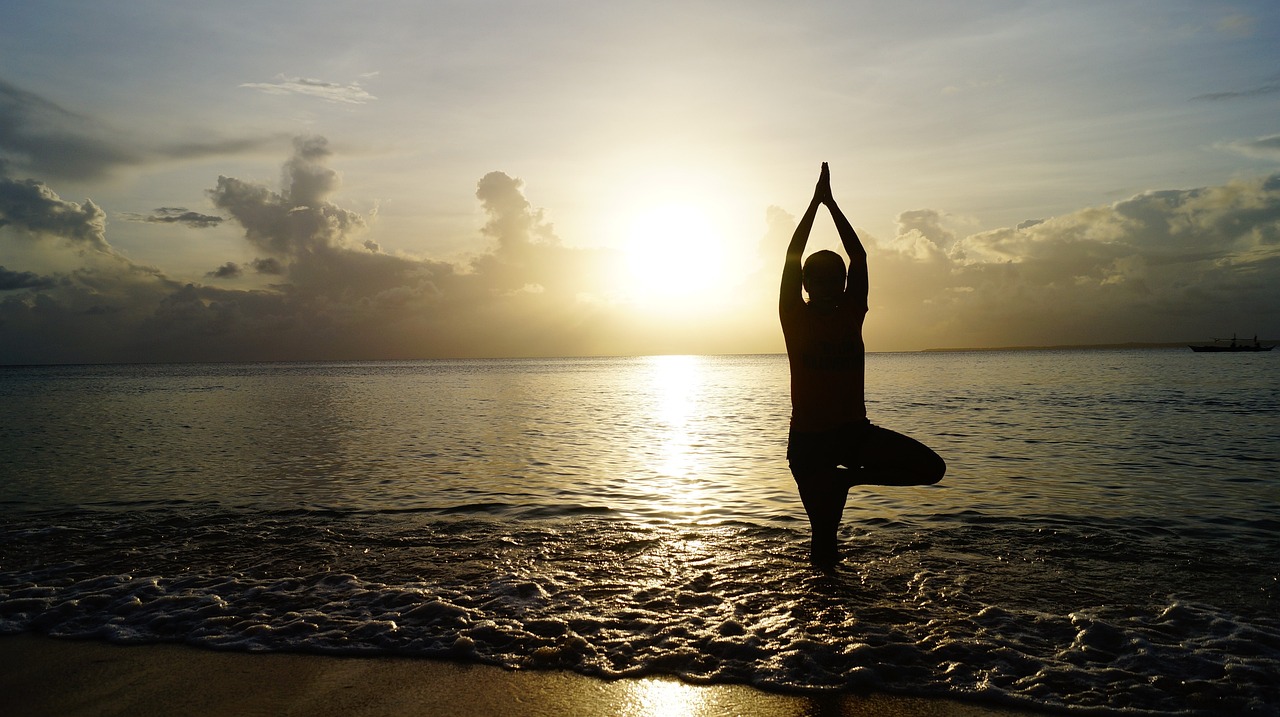
Increased Concentration: Asanas that require balance and concentration (like Tree Pose or Warrior III) train the mind to focus on the present moment. This skill is crucial during meditation when the mind tends to wander. Regular yoga practice naturally boosts your ability to concentrate deeper and longer.
-
Emotional Balance: Yoga for self-awareness includes observing one’s feelings and emotional states without judgment. By recognizing and regulating emotions through yoga, practitioners can approach meditation with a steadier, more balanced state of mind, facilitating deeper introspection and understanding.
-
Spiritual Connection: Many yoga poses and sequences are designed to open and align the chakras (energy centers in the body). This not only promotes physical and mental balance but deepens the spiritual aspects of meditation, helping practitioners connect with something larger than themselves, enhancing the quest for inner peace.
FAQs about Yoga and Meditation for Self Awareness
Q1: How often should I practice yoga to see benefits in my meditation practice?
A: While even a single session can be beneficial, a regular practice of 2-3 times a week is ideal for seeing significant improvements in flexibility, concentration, and emotional balance, which will enhance your meditation.
Q2: I’m a beginner in both yoga and meditation. Where should I start?
A: Start with beginner-friendly yoga classes that emphasize gentle poses and mindfulness. Basic meditation techniques, such as focusing on the breath or simple mantra repetition, can also be a good starting point. Many yoga studios offer classes specifically designed to blend yoga and meditation for beginners.
Q3: Can I practice yoga and meditation at home?
A: Absolutely! Many resources are available online, including guided yoga videos and meditation apps. Create a quiet, comfortable space where you won’t be disturbed, and try to maintain a regular schedule to build your practice.
Conclusion: Embracing the Path to Inner Peace
Exploring inner peace through the practices of yoga and meditation is truly transformative. Yoga for self-awareness not only primes the body and mind for meditation but deeply enhances the quality of the meditative experience. The journey to self-awareness and inner peace might be individual and intimate, but it is universally enriching, opening doors to enhanced personal insight, emotional stability, and spiritual growth. Whether you are embarking on this path for the first time or looking to deepen your existing practices, the synergistic benefits of yoga and meditation are profound. Embrace these timeless practices, and begin your journey to a more peaceful, aware state of being today.
