
Exploring Yoga Mindfulness for Mental Health: Key Practices and Benefits
Introduction:
In recent years, the journey towards mental wellness has embraced more holistic approaches, with yoga mindfulness standing out as a transformative practice. Exploring yoga mindfulness for mental health not only enriches the body but also provides profound benefits to the mind. This guide delves into the key practices of yoga mindfulness and highlights their significant benefits to help you cultivate a more peaceful, resilient mind.
Understanding Yoga Mindfulness
Yoga mindfulness is a fusion of traditional yoga practices and mindfulness techniques that focus on harmonizing the body and mind. This practice involves being completely present and fully engaging in the movements and breaths, cultivating a state of awareness that transcends the yoga mat and permeates daily life.
Key Practices of Yoga Mindfulness
- Mindful Breathing: The foundation of yoga mindfulness is breath awareness. Practices like pranayama (breath control) teach you to observe the breath, regulate its depth and pace, and use it to anchor the mind. This basic yet powerful element of yoga mindfulness can alleviate stress, improve concentration, and promote a serene mindset.
- Asanas (Postures): Physical postures in yoga, known as asanas, range from simple poses like Tadasana (Mountain Pose) to more complex ones like Sirsasana (Headstand). Each asana is performed with attention to the alignment and subtleties of the body, fostering a deeper mind-body connection and enhancing mental clarity.
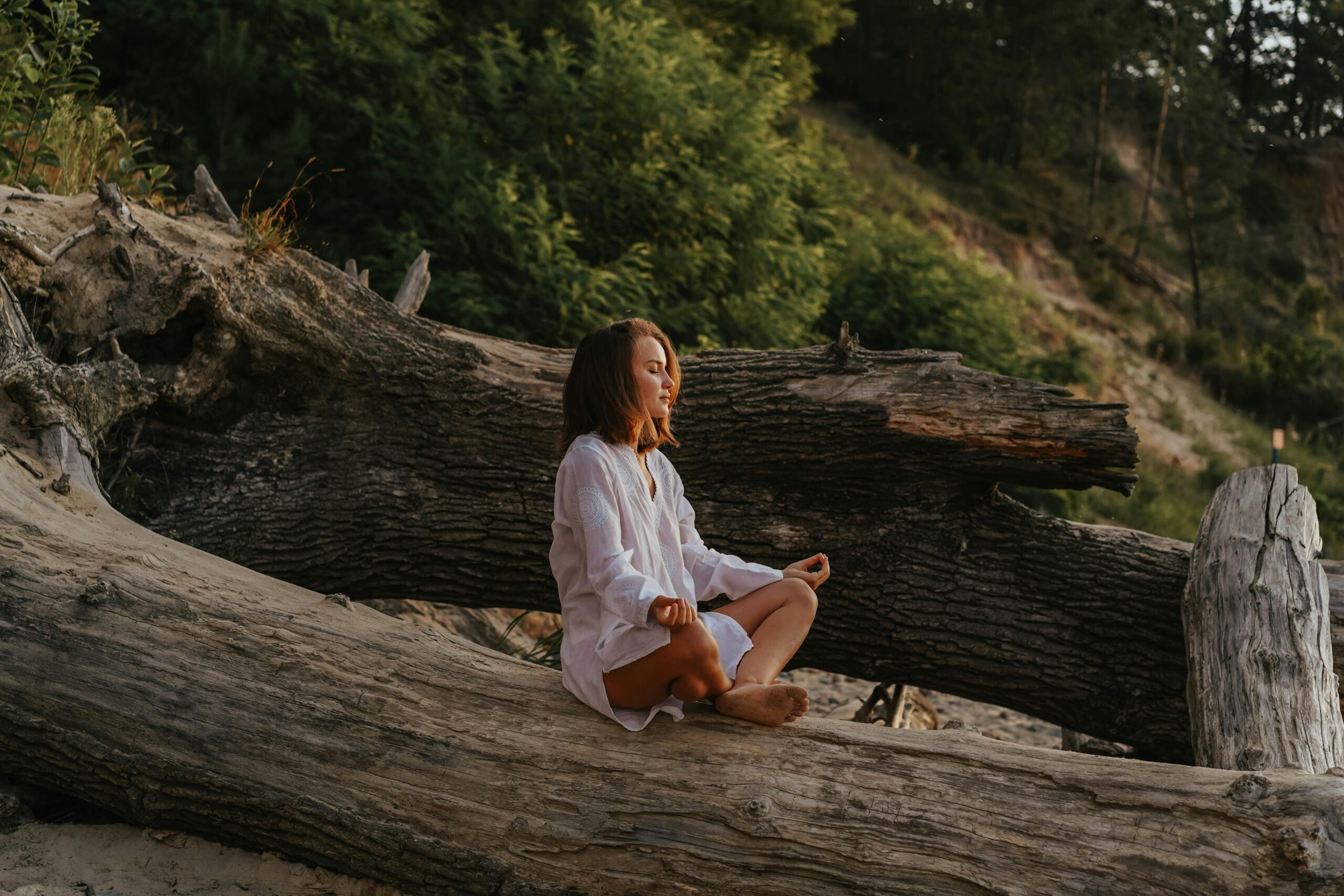
- Dhyana (Meditation): Meditation in yoga involves sustained focus on an object, thought, or mantra. It is crucial in yoga mindfulness as it trains the mind to remain present and reduces tendencies toward distractions, fostering emotional stability and a sense of inner peace.
- Yoga Nidra: Often referred to as yogic sleep, Yoga Nidra is a guided relaxation practice that brings you into a deep state of consciousness. This practice is a form of mindfulness meditation that helps relieve stress and improve sleep quality, thereby supporting mental health.
Benefits of Yoga Mindfulness for Mental Health
- Reduces Stress and Anxiety: Regular practice of yoga mindfulness helps lower the levels of stress hormones in the body and enhances mood-regulating neurotransmitters like serotonin and dopamine. This can significantly reduce feelings of anxiety and stress.
- Enhances Emotional Resilience: Engaging in mindful yoga practices builds resilience against emotional stressors, enabling individuals to handle life’s challenges with greater calmness and less anxiety.
- Improves Concentration and Focus: Through practices like Dhyana and mindful asanas, yoga mindfulness helps sharpen concentration and focus. This not only enhances cognitive functions but also aids in maintaining mental clarity in everyday tasks.
- Boosts Mood and Overall Well-being: Yoga mindfulness stimulates the release of endorphins, the body’s natural mood elevators. This leads not only to improved mood but also contributes to a greater sense of well-being.
- Fosters Self-Acceptance and Compassion: One fundamental aspect of mindfulness is observing without judgment. By practicing non-judgmental awareness of self, yoga mindfulness cultivates greater compassion and acceptance of oneself and others.
FAQs about Exploring Yoga Mindfulness for Mental Health
- How often should I practice yoga mindfulness to see mental health benefits?
Practicing as little as 10-20 minutes a day can start to show benefits. However, consistency is key. Establishing a regular yoga mindfulness routine—whether daily or several times a week—is crucial for sustained mental health benefits. - Can yoga mindfulness replace therapy or medication for mental health issues?
While yoga mindfulness is a potent tool for enhancing mental well-being, it should be viewed as a complement to other treatments, not a replacement. Always consult healthcare professionals before making changes to your therapeutic regimen. - Is yoga mindfulness suitable for beginners?
Absolutely! Yoga mindfulness is adaptable to all levels of experience. Beginners should start with basic poses and gradually incorporate more advanced practices as confidence and capabilities grow. - Do I need special equipment to practice yoga mindfulness?
A yoga mat and comfortable clothing are generally sufficient. Additional props like cushions or yoga blocks can be used to support and enhance the practice.
Conclusion
Exploring yoga mindfulness for mental health is not just about physical flexibility and strength; it’s a transformative journey towards mental clarity, emotional resilience, and overall well-being. By incorporating mindful breathing, asanas, meditation, and yoga nidra into your routine, you can unlock the profound benefits that yoga mindfulness has to offer. Embrace these practices with openness and regularity, and experience the transformative effects on your mental health. Remember, this path is about progression, not perfection. Embark on this holistic journey and watch as your mind and body flourish together.
