
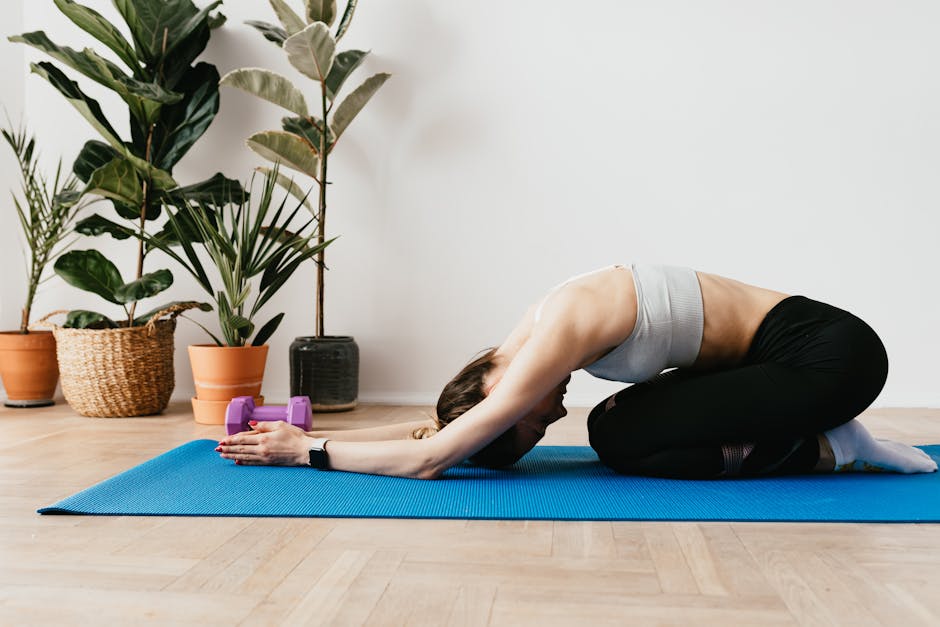
Holistic Yoga for Health: A Complete Guide to Mind-Body Wellness
Introduction
If you’ve ever sensed that yoga is about more than poses on a mat, you’re right. Holistic yoga blends movement, breath, mindfulness, and lifestyle choices to support your entire being. In this article, you’ll find holistic yoga for health a complete guide to mind body wellness, designed to help you reduce stress, build strength and flexibility, improve sleep, and cultivate resilience from the inside out. Whether you’re a beginner or returning to practice, this friendly, practical guide will show you how to make yoga a daily anchor for whole-person health.
What Is Holistic Yoga?
Holistic yoga views you as an integrated system—body, mind, emotions, and energy—rather than a collection of parts. It combines:
– Asana (postures) to build mobility, strength, and balance
– Pranayama (breathwork) to regulate your nervous system
– Meditation and mindfulness to calm and focus the mind
– Relaxation practices to restore and replenish
– Lifestyle choices (sleep, nutrition, routines, self-care) that support consistent wellbeing
Unlike a purely fitness-focused class, holistic yoga considers what you need today: perhaps energizing movement in the morning, grounding breath after work, or soothing stretches before bed.
Benefits You Can Feel
Holistic yoga for health a complete guide to mind body wellness wouldn’t be complete without clear benefits. Practiced regularly, you may notice:
– Reduced stress and anxiety via improved breath awareness and nervous system balance
– Better posture and fewer aches thanks to mobility and core stability
– Deeper, more restorative sleep
– Increased focus, patience, and emotional regulation
– Enhanced digestion and circulation from gentle twists and diaphragmatic breathing
– Greater resilience and self-connection through mindful routines
Key Components of a Holistic Practice
1) Asana: Choose a mix of movements—spinal articulation, hip and shoulder openers, core and back strength, balance poses, and gentle inversions like legs up the wall. Focus on quality over quantity.
2) Pranayama: Start with simple breath practices such as:
– Box breathing (inhale 4, hold 4, exhale 4, hold 4)
– 1:2 breath (inhale 4, exhale 8) to downshift stress
3) Meditation: 5–10 minutes of breath-focused or body-scan meditation can transform your day.
4) Relaxation: Savasana, yoga nidra, or supported restorative shapes signal the body to heal and recover.
5) Lifestyle: Hydration, balanced meals, a consistent bedtime, time in nature, and mindful tech use amplify your yoga benefits.
A Simple Daily Routine (20–30 Minutes)
– Arrive (2 minutes): Sit, close your eyes, notice your natural breath.
– Warm-up (5 minutes): Cat-cow, neck rolls, gentle side bends.
– Flow (8–10 minutes): Low lunges, warrior variations, forward fold to half lift, gentle twist.
– Breathwork (3–5 minutes): 1:2 breath or box breathing.
– Meditation (3–5 minutes): Focus on breath sensations.
– Rest (2–5 minutes): Savasana or legs up the wall.
Tip: If time is tight, split it—movement in the morning, breath and meditation before bed.
Choosing a Style That Fits You
– Hatha: Slow and steady; great for beginners and stress relief.
– Vinyasa: Flowing sequences; builds heat, focus, and stamina.
– Yin: Longer holds; targets fascia and deep relaxation.
– Restorative: Fully supported poses; best for recovery and nervous system reset.
– Kundalini: Breath, mantra, and dynamic movements; energizing and meditative.
How to Build Consistency
– Start small: 10–15 minutes daily beats 90 minutes once a week.
– Anchor to routines: Practice after brushing your teeth or after morning coffee.
– Track your wins: Note sleep, mood, and energy shifts in a journal.
– Curate a calm space: Mat ready, soft lighting, maybe a plant or candle.
– Mix it up: Alternate energizing flows with restorative sessions.
Common Mistakes to Avoid
– Pushing through pain. Discomfort can be okay; pain is a stop sign.
– Holding your breath. Breath is your safety and power—keep it smooth.
– Skipping rest. Integration happens during savasana and downtime.
– Chasing progress photos. Focus on how you feel, not how it looks.
Safety and Accessibility
If you have medical conditions, injuries, are pregnant, or returning after a long break, consult a qualified professional and tell your teacher. Use props: blocks, straps, cushions, and a chair can make poses safer and more effective. Remember, holistic yoga adapts to you.
Holistic Habits Beyond the Mat
– Mindful eating: Slow down, chew well, notice fullness cues.
– Micro-breaks: 3 deep breaths at your desk every hour.
– Nature time: A 10-minute walk can reset your mood.
– Digital hygiene: Set screen curfews to protect sleep.
– Gratitude or reflection: One line in a journal daily.
FAQs: Holistic Yoga for Health
Q: What makes this approach “holistic”?
A: It supports the whole person—body, mind, emotions, and lifestyle—rather than focusing only on fitness or flexibility.
Q: How often should I practice?
A: Aim for 10–30 minutes most days. Consistency outweighs duration. Even 5 minutes of breathwork counts.
Q: Is holistic yoga good for weight management?
A: It can support weight goals indirectly by lowering stress hormones, improving sleep, and encouraging sustainable movement and eating habits.
Q: Can beginners and older adults do this?
A: Absolutely. Start with Hatha or restorative styles, use props, and progress gradually. There is a version of every pose for every body.
Q: How long before I notice results?
A: Many feel calmer after one session. For posture, sleep, and mood shifts, give it 2–4 weeks of steady practice.
Q: What’s the difference between holistic yoga and a regular yoga class?
A: A regular class may emphasize poses. Holistic yoga weaves in breath, meditation, relaxation, and lifestyle elements tailored to your needs.
Q: Do I need special equipment?
A: A non-slip mat is enough to start. Blocks, a strap, and cushions enhance comfort and alignment.
Q: Is it safe during pregnancy?
A: With medical clearance and a prenatal-trained teacher, yes. Avoid deep twists, overheating, and lying flat on your back after the first trimester.
Putting It All Together
Consider this your starting point for holistic yoga for health a complete guide to mind body wellness:
– Set a simple goal: 15 minutes daily for two weeks.
– Alternate flows: Mon/Wed/Fri energizing; Tue/Thu/Sat restorative; Sun gentle walk and nidra.
– Reflect weekly: What practices improved your sleep, mood, or focus? Do more of those.
Conclusion
Holistic yoga for health a complete guide to mind body wellness is less about perfect poses and more about feeling at home in yourself. With mindful movement, breath, and everyday habits working together, you’ll build a steady foundation for physical vitality, mental clarity, and emotional ease. Start small, show up consistently, and let your practice be the kindest part of your day. Your body and mind will thank you—one breath, one pose, one moment at a time.
