
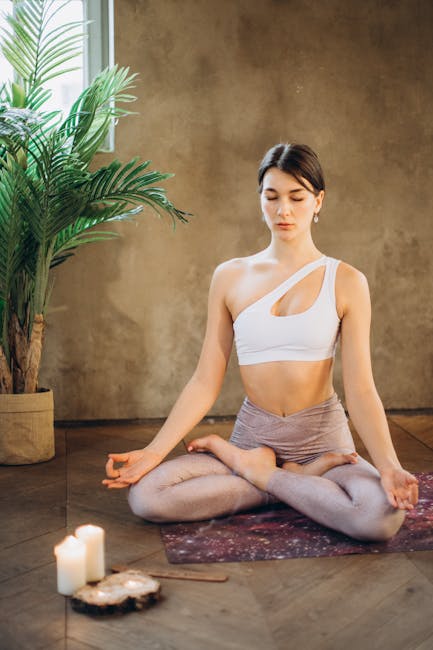
Mastering Yoga Breathing Techniques for Beginners: A Guide to Enhancing Your Practice
Yoga is not just about striking the perfect pose but also about mastering the subtle art of breathing. For centuries, yoga enthusiasts have valued the profound impact of breath control or “Pranayama” which fundamentally supports the physical movements and aids in achieving deeper relaxation and concentration. Mastering yoga breathing techniques as a beginner can seem daunting, but with the right guidance, it is a journey worth embarking upon.
Introduction to Yoga Breathing Techniques
Breathing techniques are at the heart of a transformative yoga practice. They are designed to systematically increase your lung capacity, vitalize your body, calm your mind, and enhance your overall energy levels. As a beginner, understanding and practicing these techniques regularly will not only deepen your yoga practice but also improve your well-being in daily life.
Why Focus on Breathing in Yoga?
In yoga, breath control is more than a mere exercise—it’s a bridge to connecting the body and mind. Proper breathing helps regulate our nervous system, reduce stress levels, and promote mental clarity. By mastering yoga breathing techniques, newcomers can experience immediate benefits, including improved focus and a greater sense of peace.
Key Yoga Breathing Techniques for Beginners
- Ujjayi Pranayama (Ocean Breath)
- How to Practice: Begin by inhaling deeply through your nose. Then, with a slight constriction at the back of your throat, exhale slowly through your nose as if you are whispering. The sound your breath makes should remind you of the waves of the ocean.
- Benefits: This breath is particularly effective during yoga poses as it helps to maintain rhythm and focus. It also heats the body internally, which can help with flexibility.
- Dirga Pranayama (Three-Part Breath)
- How to Practice: Inhale deeply filling your abdomen, then your ribcage, and finally the upper chest. Exhale in the same order to empty the lungs completely.
- Benefits: This technique helps reduce anxiety, clears the mind, and relaxes the body. It is particularly suitable for beginners learning to control their breath.
- Kapalabhati Pranayama (Skull Shining Breath)
- How to Practice: Sit in a comfortable position. Focus on your lower abdomen. As you exhale, pull your stomach in sharply, pushing the air out of your lungs. Let the inhalation happen passively.
- Benefits: Kapalabhati is invigorating and helps cleanse the respiratory system. It is also said to stimulate abdominal muscles and improve digestion.
Mastering Yoga Breathing Techniques Through Regular Practice
Consistency is key when it comes to mastering yoga breathing techniques. As a beginner, it is advisable to start with just a few minutes of pranayama and gradually increase the duration as you become more comfortable. Morning time is generally ideal for practicing breathing exercises, as the mind is clearer and the body is more relaxed.
One efficient way to incorporate these techniques is by integrating them into your existing yoga routine. Starting your session with a few minutes of deep breathing sets a serene tone for the practice that follows. Throughout your poses, try to maintain awareness of your breath and utilize techniques like Ujjayi to keep the breath smooth and steady.
Common FAQs on Mastering Yoga Breathing Techniques for Beginners
Q1: How long should I practice breathing techniques each day?
A: Starting with five minutes a day is a good benchmark. As you grow more comfortable, you can extend this time to up to 15-20 minutes.
Q2: Can these breathing techniques help with anxiety?
A: Absolutely. Breathing techniques like Dirga Pranayama are excellent for calming the mind and reducing symptoms of anxiety.
Q2: Are there any precautions I should take while practicing these techniques?
A: Yes, it is generally recommended to practice on an empty stomach. Also, anyone suffering from cardiovascular issues should consult a doctor before undertaking practices like Kapalabhati.
Conclusion
Mastering yoga breathing techniques as a beginner might initially require patience and persistence, but the resulting benefits are manifold. Regular practice not only enhances your physical yoga practice but significantly impacts mental and emotional wellbeing. Whether it is through helping you manage stress, improving your concentration, or simply providing you with a moment of calm — the power of breath in yoga is transformative. Remember, the journey of yoga is not about reaching perfection but experiencing progression. Start incorporating these breathing techniques into your daily routine and watch your yoga practice, and overall health, flourish.
