
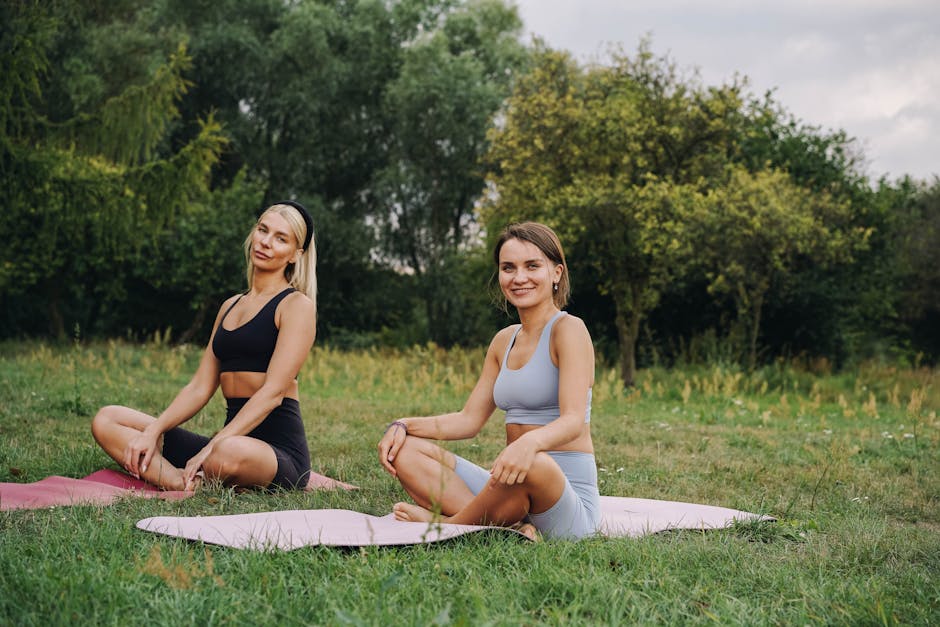
Mastering Yoga Inversions for Beginners: A Step-by-Step Guide to Elevating Your Practice
Embarking on the journey of mastering yoga inversions can be a transformative part of your yoga practice. Inversions in yoga are postures that raise the heart above the head or turn the body upside down. While they can appear intimidating at first, these poses offer incredible health benefits, including improved circulation, increased immunity, and enhanced mental clarity. If you’re a beginner hoping to elevate your practice, this step-by-step guide to mastering yoga inversions is crafted just for you.
Introduction to Yoga Inversions
Before diving into the specifics, it’s essential to understand what inversions are and why they are an invaluable addition to your yoga routine. An inversion, simply put, is any pose where your head is below your heart. From the gentle forward bend to the more challenging headstand, inversions vary widely in complexity and intensity.
Incorporating inversions into your practice can seem daunting initially, but with patience, persistence, and practice, these poses can become enjoyable and deeply nourishing. They’re not just physical exercises; they’re tools for mental and spiritual growth as well.
Step-by-Step Guide to Mastering Yoga Inversions
1. Start with Preparation and Warm-Up
Begin your inversion practice with a thorough warm-up. Focus on stretches that increase blood flow to your shoulders, neck, spine, and legs. Warming up adequately ensures your body is flexible and ready, reducing the risk of injury.
2. Begin with Basic Inversions
Start with less intimidating inversions such as Downward-Facing Dog (Adho Mukha Svanasana) and Legs-Up-The-Wall (Viparita Karani). These poses help you get accustomed to having your heart above your head and are excellent for building foundational strength.
3. Use Props for Support
Don’t hesitate to use props. A yoga block, bolster, or a wall can offer support and increase your comfort level, thereby enhancing your ability to perform the inversions correctly. For instance, when practicing Shoulder Stand (Sarvangasana), placing a folded blanket under your shoulders can help protect your neck.
4. Focus on Core Strength
A strong core is crucial for successful inversions. Incorporate core-strengthening poses like Plank (Phalakasana) and Boat Pose (Navasana) into your routine. These poses fortify the muscles around your spine, essential for maintaining balance and stability in inversions.
5. Progress to More Advanced Inversions
Once you feel confident and stable in basic inversions, gradually introduce more challenging poses like Headstand (Sirsasana) and Forearm Stand (Pincha Mayurasana). Always approach these poses step-by-step, increasing the time spent in each pose as you gain strength and confidence.
6. Practice Regularly and Be Patient
Mastery of inversions doesn’t happen overnight. Regular practice is key to success. Be patient with yourself, and remember that each small step forward is progress. Celebrate your achievements, no matter how small.
7. Listen to Your Body and Know When to Rest
Pay close attention to how your body feels during and after practice. If you experience pain or extreme discomfort, gently come out of the pose and rest. Always prioritize safety and comfort over achieving the perfect pose.
8. Seek Guidance from Experienced Practitioners
If you’re struggling with specific inversions or want to ensure you’re performing them correctly, consider attending a workshop or taking a class from an experienced yoga instructor. External guidance can provide valuable insights and adjustments that enhance your practice.
FAQs on Mastering Yoga Inversions for Beginners
Q1: How often should I practice inversions?
A: For beginners, integrating inversions two to three times a week into your yoga practice is a good start. As you build strength and confidence, you can increase the frequency.
Q2: What are the common risks associated with yoga inversions?
A: The risks include neck strain, falls, and increased pressure in the eyes. It’s crucial to practice with proper technique and clearance from a health professional, especially if you have pre-existing conditions.
Q3: Can inversions improve mental health?
A: Yes, inversions are known to increase blood flow to the brain, which can help in improving focus, reducing anxiety, and enhancing mood.
Conclusion
Mastering yoga inversions for beginners: A Step-by-Step Guide to Elevating Your Practice is an enriching journey that not only advances your physical capabilities but also enhances your mental resilience. By following this guide and listening to your body, you’ll be able to incorporate inversions into your practice safely and effectively. Remember, the key to mastering yoga inversions lies in consistent practice and a positive mindset. Embrace the process and enjoy the uplifting journey it brings to your overall yoga practice. Happy inverting!
