
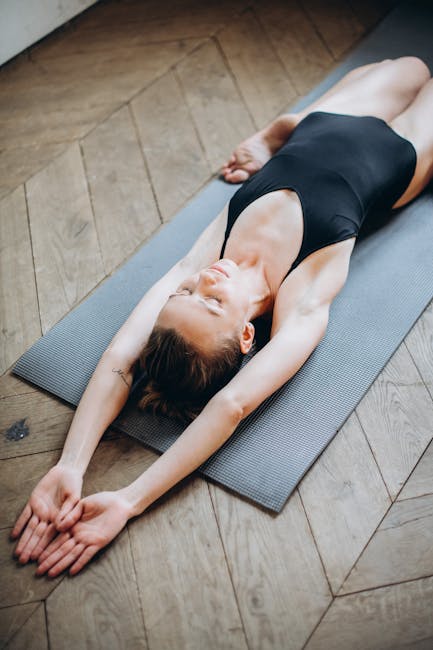
Total Wellness at Home: Yoga and Nutrition Guide for Busy Beginners
Introduction
If you’re juggling a busy schedule and want to feel better without overhauling your life, you’re in the right place. Total wellness at home: yoga and nutrition guide for busy beginners is all about small, consistent steps that fit into real life. You don’t need fancy equipment, complicated recipes, or an hour-long workout. With a 10-minute at-home yoga routine, simple food frameworks, and smart habits, you can build energy, reduce stress, and feel stronger—starting today.
Why Total Wellness at Home Works for Busy Beginners
Wellness doesn’t have to be perfect to be powerful. When yoga and nutrition work together, you gain steady energy, better focus, fewer cravings, and improved mobility. The key is starting small and staying consistent. By setting up an at-home routine that’s quick and repeatable, you remove the biggest barriers: time, decision fatigue, and overwhelm. That’s the spirit of this Total wellness at home: yoga and nutrition guide for busy beginners—make well-being easy, doable, and sustainable.
A 10-Minute Beginner Yoga Flow You Can Do Anywhere
Do this flow 3–5 days per week. Move slowly, breathe through your nose, and stop if something hurts. A yoga mat is nice but not required.
– Centering (60 seconds): Sit or stand tall. Inhale for 4 counts, exhale for 6. Set an intention like “steady and strong.”
– Cat–Cow (60 seconds): On hands and knees, alternate arching and rounding your spine. Match movement to breath.
– Downward Dog to Plank (60 seconds): Lift hips to Downward Dog, then shift forward to Plank. Repeat 4–6 times, moving with control.
– Low Lunge (90 seconds): Step right foot forward, back knee down. Lift chest, then add a gentle side bend. Switch sides.
– Forward Fold to Half Lift (60 seconds): From standing, fold forward, then lengthen spine halfway up. Flow 4 times.
– Chair Pose (60 seconds): Sink hips back, reach arms up, keep weight in heels. Breathe steadily.
– Bridge Pose (60 seconds): Lie on your back, feet hip-width. Press into feet and lift hips. Option: interlace hands under back.
– Supine Twist and Rest (90 seconds): Knees to chest, then drop to one side, switch, and finish with 30 seconds of stillness.
Modifications: Use a chair for balance, lower your knees in plank, and shorten holds as needed. Consistency matters more than intensity.
Simple Nutrition Blueprint for Busy Days
Think “structure, not strict.” Use this framework to fuel well without counting calories.
– The Balanced Plate: At meals, aim for these portions:
– Half plate: colorful vegetables or fruit
– Quarter plate: protein (eggs, Greek yogurt, tofu, chicken, lentils)
– Quarter plate: smart carbs (quinoa, brown rice, whole-grain bread, potatoes)
– Add healthy fats (olive oil, avocado, nuts) for satisfaction
– Snack Smart:
– Pair protein + fiber for steady energy
– Examples: apple + peanut butter, Greek yogurt + berries, hummus + carrots, cheese + whole-grain crackers
– Hydration Habit:
– Drink a glass of water upon waking and one with each meal
– Aim for pale-yellow urine as a simple guide
– Tea and black coffee count toward fluids; limit sugary drinks
– 5-Minute Meal Ideas:
– Breakfast: Greek yogurt parfait with granola and berries; or eggs + spinach on whole-grain toast
– Lunch: Tofu or chicken salad bowl with greens, quinoa, and olive oil–lemon dressing
– Dinner: Sheet-pan veggies + salmon or chickpeas; microwave brown rice on the side
– Pantry rescue: Canned beans + salsa + prewashed greens + tortillas = speedy tacos
– Weekend Prep (30–40 minutes total):
– Wash and chop produce
– Cook a pot of grains or roast a tray of mixed veggies
– Pre-portion snacks
– Make one protein (baked chicken, lentils, or tofu) to anchor 2–3 meals
Stacking Habits: How to Make It Stick
Tie new actions to routines you already have. This keeps momentum without extra willpower.
– After brushing teeth in the morning, do the first three yoga moves
– During coffee brew time, pour and drink a glass of water
– While dinner simmers, do 2 minutes of spinal mobility (Cat–Cow and gentle twists)
– On Sundays, order groceries or create a 3-meal plan in 10 minutes
Set a “good enough” goal: 10 minutes of movement and one balanced meal per day. Track with a simple calendar checkmark. Progress, not perfection.
Essential Tools and Space Setup
– Clear a small floor area; keep a mat or towel visible
– A yoga block or sturdy book helps with balance
– Stock quick staples: eggs, canned beans, frozen veggies, microwaveable grains, olive oil, nuts, yogurt
FAQs: Total Wellness at Home for Busy Beginners
How many minutes do I need each day?
Start with 10–15 minutes of yoga and one balanced meal. If you have more time, great—but consistency beats intensity.
Do I need equipment for yoga?
No. A mat adds comfort, but a towel on carpet works. A chair, strap, or belt can support modifications.
What should I eat before yoga?
Light and easy-to-digest: a banana, yogurt, or a small handful of nuts 30–60 minutes before. Hydrate, but avoid chugging water right before you start.
Will this help with weight loss?
It can. The combination of movement, protein, fiber, and hydration supports appetite regulation and energy balance. Focus on habits; results follow.
Is morning or evening yoga better?
The best time is the time you’ll do it. Mornings boost energy and consistency; evenings help unwind and improve sleep.
I sit all day—any pose recommendations?
Prioritize hip flexor openers (Low Lunge), thoracic mobility (Cat–Cow, twists), and hamstring relief (Forward Fold with soft knees). Stand and move for 2 minutes every hour.
What about coffee and snacks?
Coffee is fine in moderation. For snacks, choose protein + fiber combos to curb cravings and keep energy steady.
Conclusion
Total wellness at home: yoga and nutrition guide for busy beginners is about doable steps that compound. Ten minutes of mindful movement, a balanced plate, and a few smart routines can transform how you feel. Keep it simple: move daily, fuel with protein and plants, hydrate, and repeat. In a few weeks, you’ll notice better energy, less stress, and more confidence in your body—no gym, no extremes, just sustainable progress at home. As always, if you have a medical condition or injury, consult a healthcare professional before starting a new routine.
