
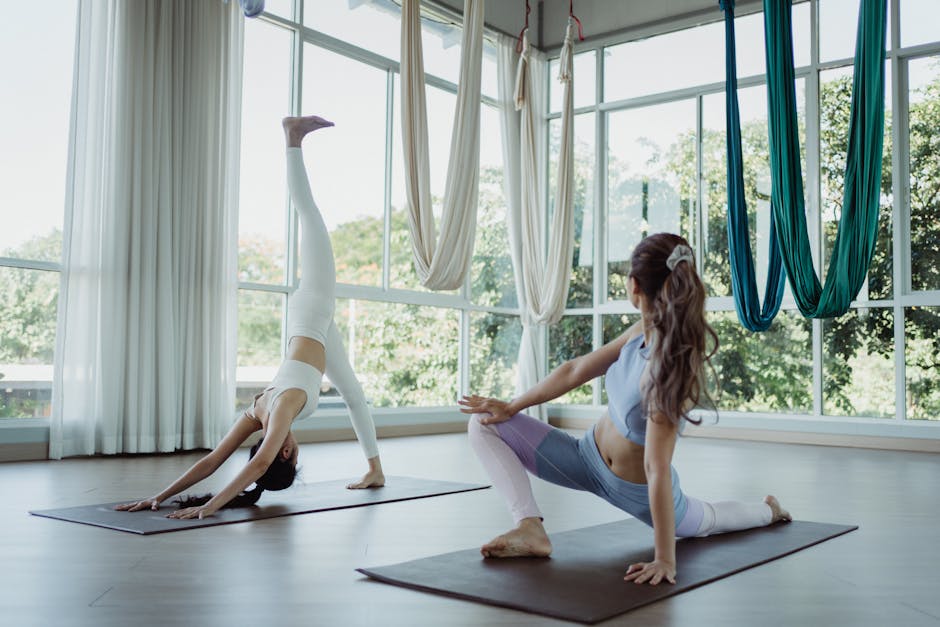
Unlock calm with yoga lifestyle for stress free living: simple daily rituals for inner peace
Introduction
Life moves fast—and so do our minds. If your days feel like a swirl of to-do lists, notifications, and constant go-go-go, you’re not alone. The good news? You don’t need an hour-long class or a retreat to feel better. You can unlock calm with yoga lifestyle for stress free living: simple daily rituals for inner peace by weaving tiny, mindful practices into the moments you already have. Think of yoga not just as poses on a mat, but as a way of living—breath by breath, choice by choice—that gently rewires your nervous system toward ease. In this article, we’ll walk through doable rituals for morning, midday, and evening, plus a few “stress SOS” tools you can use anytime.
Why a yoga lifestyle works for stress
Yogic practices calm the nervous system. Slow, steady breathing stimulates the vagus nerve and shifts you into the parasympathetic “rest and digest” state, lowering cortisol and easing tension. Gentle movement lubricates joints, improves circulation, and releases muscle tightness that stress loves to store in your neck, jaw, and hips. Mindful attention interrupts autopilot and anchors you in the present moment. When these elements become daily rituals, your baseline stress drops—and your resilience rises.
Morning: set your tone
Mornings set your nervous system’s trajectory. Try these simple, 10-minute rituals:
– Wake up without your phone. Give yourself a screen-free buffer for the first 10–20 minutes. That alone reduces cognitive load.
– Take three conscious breaths. Inhale through the nose for a count of 4, exhale for 6 or 8. Longer exhales cue calm.
– Gentle joint warm-up. Circle wrists and ankles, shrug and roll shoulders, nod the head yes/no, then cat-cow for the spine.
– Sun salutation (3–5 rounds). Move with your breath—inhale to lengthen, exhale to fold. Keep it slow and steady.
– Set an intention. One sentence: “Today I choose ease,” or “I respond, not react.” Revisit this line during the day.
Midday: micro-resets that actually work
Stress builds by noon. Insert tiny pauses to reset your system:
– Box breathing for 1–2 minutes: inhale 4, hold 4, exhale 4, hold 4. Works at your desk, in your car, or walking.
– Desk yoga: interlace fingers, press palms forward, reach up, side bend; then clasp hands behind you, open the chest.
– Forward fold over your legs (seated or standing). Let your head hang to release neck and back tension.
– Eye break 20-20-20: every 20 minutes, look 20 feet away for 20 seconds to relax ocular muscles and your mind.
– Mindful bite at lunch. Put the utensil down between bites. Notice flavors and textures. Digestion improves when you’re present.
Evening: downshift for deep rest
Evenings should cue your body that it’s safe to power down:
– Digital sunset 60 minutes before bed. Dim lights; switch screens to airplane mode if possible.
– Legs up the wall (Viparita Karani) for 5–10 minutes. Reduces swelling, calms the mind, and soothes the lower back.
– Yoga Nidra or body scan (10–20 minutes). Lie down and follow a guided audio; it’s like a nervous system bath.
– Gratitude journaling. Write 3 specific things that went well. This trains your brain away from threat scanning.
Weekly nourishment
Beyond daily rituals, choose one or two weekly anchors:
– A restorative or gentle yoga class to refill your cup.
– A nature walk without headphones for sensory reset.
– Declutter one small space. Visual simplicity reduces mental noise.
– Meal prep a few calming staples: soups, herbal teas, and balanced snacks to steady blood sugar (a hidden stressor).
Your “stress SOS” toolkit
When tension spikes, try one of these quick practices:
– 4-7-8 breathing: inhale 4, hold 7, exhale 8. Repeat 4 rounds.
– Hand on heart. Inhale, whisper “I’m here,” exhale, “I’m safe.” This taps into self-soothing and the vagus nerve.
– Grounding 5-4-3-2-1: name 5 things you see, 4 you feel, 3 you hear, 2 you smell, 1 you taste.
– Mantra on the exhale: “So” on inhale, “hum” on exhale. Simple, steady, centering.
– Sip warm tea. The warmth plus mindful sipping signals safety to your body.
Make it stick: habit stacking
– Attach a ritual to something you already do. After brushing teeth, do three breaths. After opening your laptop, roll your shoulders. After dinner, legs up the wall.
– Keep it small and consistent. Two minutes, done daily, beats 20 minutes you skip.
– Track tiny wins. A checkmark on a calendar or a note in your phone keeps momentum.
Real-life integration at work and home
– Boundaries are yogic too. A five-minute buffer between meetings can do more for your nervous system than another coffee.
– Posture matters. Align ears over shoulders, shoulders over hips; let your exhale soften the jaw and belly.
– Caffeine timing. Enjoy it early; avoid mid-afternoon spikes that boomerang into nighttime anxiety.
– Hydration and protein. Stable blood sugar and electrolytes reduce irritability and fatigue.
You can unlock calm with yoga lifestyle for stress free living: simple daily rituals for inner peace by choosing presence over pressure, breath over busyness, and rhythm over rush. None of this requires special gear—just your attention, a little curiosity, and a willingness to pause.
FAQs
Q: Do I need to be flexible to follow a yoga lifestyle?
A: Not at all. Flexibility is a byproduct, not a prerequisite. Start with breath, gentle movement, and mindful pauses—your body will soften over time.
Q: How much time do I need each day?
A: Even 5–10 minutes morning and evening can shift your baseline. Sprinkle 60–90 second micro-resets during the day for compounding benefits.
Q: Can I do these rituals at work without looking awkward?
A: Yes. Box breathing, posture resets, a brief forward fold, and eye breaks are discreet. You can also do legs up the wall at home to counter desk time.
Q: What if I skip a day?
A: No problem. Yoga is about returning, not perfection. Simply start again with your next breath. Consistency grows from compassion, not discipline alone.
Q: Is a yoga lifestyle religious?
A: It can be entirely secular. You’re practicing breath awareness, gentle movement, and attention training—universal tools supported by modern science.
Q: How long until I feel results?
A: Many people feel calmer after one session of slow breathing or Yoga Nidra. For deeper shifts in stress resilience and sleep, give it 2–4 weeks of regular practice.
Conclusion
If you’ve been searching for a grounded, realistic path to peace, consider this your invitation: unlock calm with yoga lifestyle for stress free living: simple daily rituals for inner peace. Start small—three breaths before you check your phone, a gentle stretch between meetings, legs up the wall before bed. These moments aren’t “extras”; they are how you re-educate your nervous system to live in balance. Over time, your mind gets quieter, your body feels safer, and your days flow with more ease. Inner peace doesn’t arrive all at once—it accumulates, one mindful ritual at a time.
