
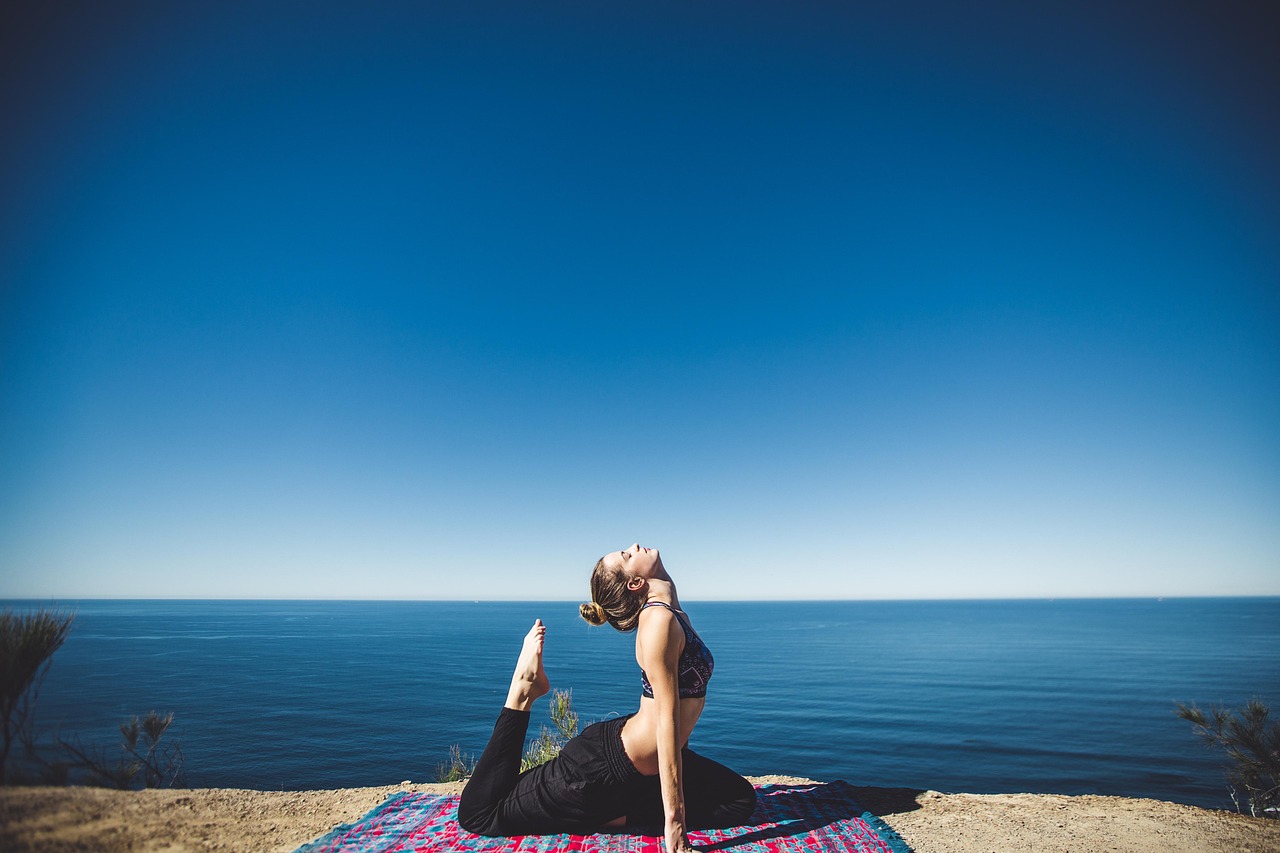
Unlocking Calm: The Benefits of Mindfulness Yoga for Kids
In the whirlwind of today’s fast-paced world, children face a myriad of distractions and pressures. From academic challenges to social dynamics, the quest for a balanced life can seem daunting for the young minds. This is where “Unlocking Calm: The Benefits of Mindfulness Yoga for Kids” steps in, offering a serene escape and a toolkit for emotional resilience. Mindfulness yoga doesn’t just enhance physical flexibility—it also fosters mental clarity and emotional stability in children.
What is Mindfulness Yoga?
Mindfulness yoga is a synergistic practice that combines traditional yoga poses with mindfulness techniques. Mindfulness involves being fully present and engaged in the moment, aware of your thoughts and feelings without distraction or judgment. When integrated into yoga, it helps children cultivate a deeper awareness of their bodies, thoughts, and emotions, leading to a holistic sense of wellbeing.
The Core Benefits of Mindfulness Yoga for Kids
1. Improved Emotional Regulation
Children are in the ongoing process of learning how to manage their emotions. Mindfulness yoga facilitates this by teaching them breathing techniques and body awareness. These skills are pivotal in helping them recognize their emotional states and giving them tools to calm down autonomously.
2. Enhanced Concentration and Focus
Regular practice of mindfulness yoga improves children’s attention spans and concentration. The mindful aspect of yoga teaches them to maintain focus on their breathing or a particular posture, which translates into better concentration in school and other activities.
3. Increased Self-Esteem and Confidence
Yoga poses themselves challenge kids physically, promoting a sense of accomplishment when they master a new pose. Moreover, mindfulness encourages a non-judgmental attitude towards their abilities, fostering self-acceptance and, consequently, confidence.
4. Stress Reduction
Yoga is renowned for its stress-reducing benefits. The mindful breathing and meditative practices allow kids to slow down, process their stress healthily, and approach situations with a clearer, calmer mind.
5. Development of Physical Fitness
Mindfulness yoga promotes strength, flexibility, and balance. Regular practice helps children develop better posture, coordination, and overall fitness, setting a healthy foundation for their growing bodies.
FAQs About Mindfulness Yoga for Kids
Q1: At what age can children start practicing mindfulness yoga?
Children can start as early as 3 years of age. However, the style and pace of yoga might differ based on age groups to cater to their developmental needs and attention spans.
Q2: How often should my child practice mindfulness yoga?
Incorporating short, daily sessions can be very beneficial. Even 10-15 minutes each day can make a significant difference in your child’s ability to manage stress and concentrate.
Q3: Are there special mindfulness yoga classes for kids?
Yes, there are classes specifically designed for children. These classes often incorporate fun themes and games to engage children while teaching them the fundamentals of yoga and mindfulness.
Q4: What are some simple mindfulness yoga exercises I can teach my child at home?
Start with basic breathing exercises. Teach your child to inhale deeply through their nose and exhale slowly through their mouth. Combine this with simple poses like the Tree Pose to promote balance and focus, or the Warrior Pose to boost confidence and strength.
Q5: Can mindfulness yoga help my child with anxiety?
Absolutely. Many children who practice mindfulness yoga show noticeable improvements in managing anxiety. The practice provides them with strategies to cope with anxious feelings and reduce overall anxiety levels.
Implementing Mindfulness Yoga at Home
Getting started with mindfulness yoga at home can be a bonding activity for you and your child. Create a quiet, comfortable space free of distractions. You might use mats, cushions, or blankets. Start with short sessions, perhaps following along with a kid-friendly yoga video or app tailored to children’s yoga and mindfulness practices.
Conclusion
Unlocking calm through mindfulness yoga offers a multitude of benefits tailored to the needs of children in today’s high-stress environments. It equips them with invaluable tools for emotional regulation, focus, self-esteem, stress management, and physical health—all of which are essential for their overall development.
Integrating mindfulness yoga into your child’s routine could be a transformative move, one that fortifies their mental and physical wellbeing. As they learn to navigate their inner landscapes with ease, the calm they unlock will be a steady guide through the complexities of growing up. In embracing mindfulness yoga, you provide your child with a foundation of balance and peace that can enrich their life profoundly.
