
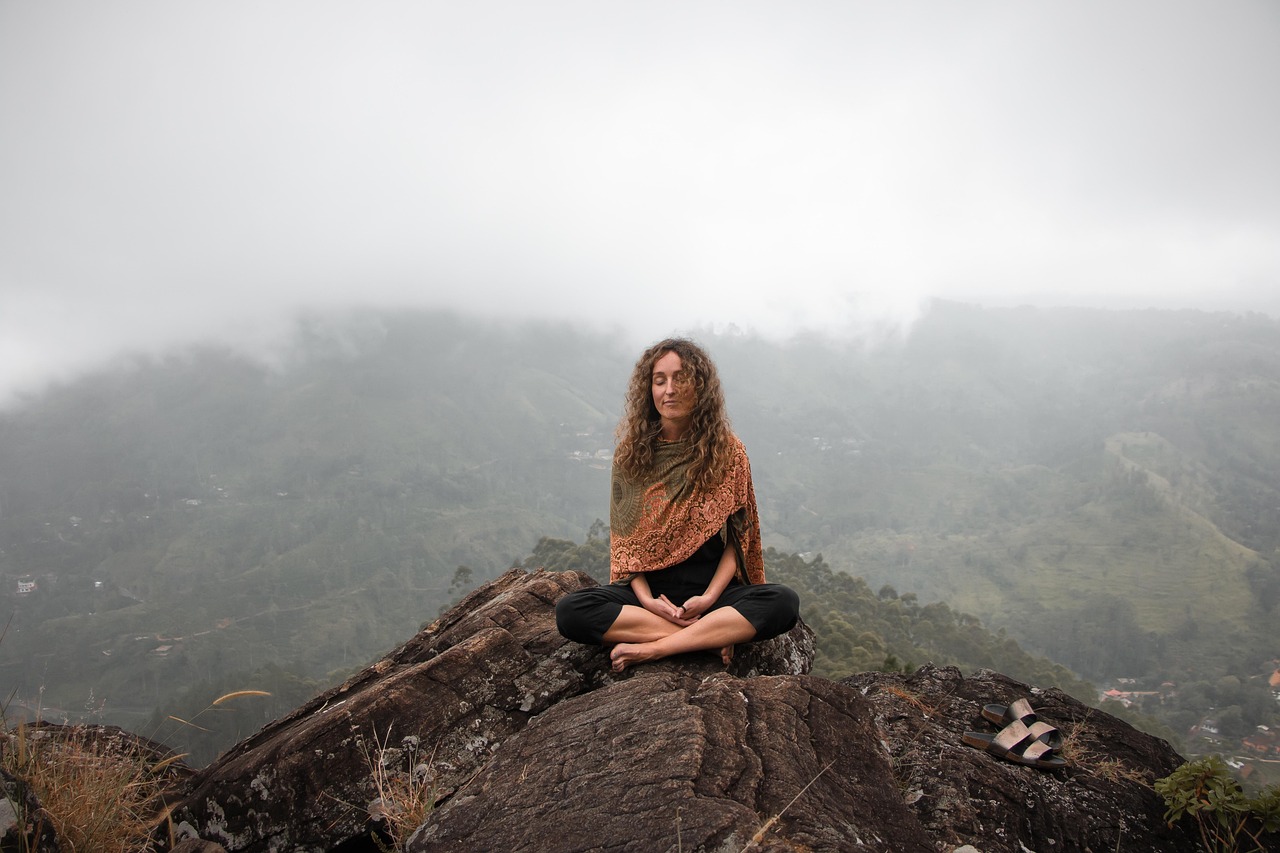
Unlocking Peace: How Yoga and Meditation Tackle Stress and Anxiety
In today’s fast-paced, high-pressure world, many people find themselves struggling with stress and anxiety. The incessant buzz of daily life can often leave us feeling overwhelmed and on edge. However, amidst the chaos, yoga and meditation emerge as powerful tools capable of restoring tranquility and mental clarity. In this blog post, we delve into how the ancient practices of yoga and meditation can be effective in tackling stress and anxiety, thus truly unlocking peace in our lives.
Introduction to Yoga and Meditation
Yoga is a physical, mental, and spiritual discipline that originated in ancient India. It involves a series of postures, breathing techniques, and meditation to promote overall wellness. Meditation, on the other hand, is a practice where an individual uses techniques like mindfulness or focusing the mind on a particular object, thought, or activity to train attention and awareness, and achieve a mentally clear and emotionally calm and stable state.
The Science Behind Yoga and Meditation for Stress and Anxiety
Research suggests that both yoga and meditation activate the body’s relaxation response, which is governed by the parasympathetic nervous system. This response can reduce stress hormone levels, lower blood pressure and heart rate, and improve digestion. Furthermore, these practices increase the production of endorphins, the body’s natural mood elevators, which plays a significant role in reducing the levels of stress and anxiety.
Key Benefits of Yoga and Meditation in Unlocking Peace
-
Improved Breathing: Yoga teaches various breathing techniques (pranayama) that help slow down and deepen breaths. This enhances lung function and triggers a relaxation response in the body.
-
Increased Body Awareness: Through various poses (asanas), yoga enhances body awareness and reduces muscle tension, a common physical manifestation of stress and anxiety.
-
Mindfulness Training: Both yoga and meditation promote mindfulness, which encourages practitioners to stay present and engaged in the moment without judgment. This awareness builds a skill set that can be applied to stressful situations, mitigating anxious responses.
-
Mental Clarity and Focus: Regular meditation fosters an enhanced state of mental clarity and focus, enabling better management of stress and anxiety.
-
Emotional Resilience: Regular practice of yoga and meditation strengthens emotional resilience, making it easier for individuals to deal with stressful situations in a more balanced and composed manner.
How to Integrate Yoga and Meditation into Your Daily Routine
-
Start Small: Begin with just a few minutes of yoga or meditation daily. Gradually increase the duration as you become more comfortable with the practices.
-
Set a Regular Time and Space: Try to practice at the same time and place every day. This consistency helps establish a routine and enhances the effectiveness of the practice.
-
Use Guided Sessions: Beginners may benefit from guided yoga classes or meditation sessions available through apps or online platforms. These guides can provide structure and support as you learn the basics.
-
Focus on Comfort: Make sure to wear comfortable clothing and use supportive props like yoga mats, cushions, or blankets.
-
Be Patient and Consistent: The benefits of yoga and meditation are cumulative and require consistency. Be patient, and allow the practices to gradually integrate and manifest in your life.
FAQ: Unlocking Peace Through Yoga and Meditation
Q1: How often should I practice yoga or meditation to reduce stress and anxiety?
A1: While even a single session can bring temporary relief, regular practice (at least 3-4 times per week) is ideal for long-term benefits.
Q2: Can beginners experience the benefits of yoga and meditation?
A2: Absolutely! Yoga and meditation are accessible to everyone, regardless of age or fitness level. Beginners should start slowly and build up their practice over time.
Q3: Are there specific types of yoga or meditation that are best for stress and anxiety?
A3: Gentle yoga styles such as Hatha or Yin can be particularly effective for stress and anxiety. For meditation, mindfulness meditation or guided imagery can be beneficial.
Q4: What if I don’t have time for a full yoga or meditation session?
A4: Even short periods of practice can be beneficial. Consider incorporating mindful breathing or mini meditation sessions of 5-10 minutes into your daily routine.
Conclusion: Embrace the Journey to Peace
Unlocking peace through yoga and meditation is a transformative journey that not only alleviates stress and anxiety but also enhances overall well-being. By integrating these practices into your daily routine, you open the door to a more serene and balanced life. Remember, the path to tranquility starts with a single step, or in this case, a single breath. So, why not take that step today and move towards a less stressed, more peaceful you?
Incorporating yoga and meditation into our lives offers a natural and effective solution to combat the effects of stress and anxiety, and helps unlock a state of peace that revitalizes our entire being. Let’s breathe and stretch our way to wellness and rediscover the calm within amidst life’s storms.
