
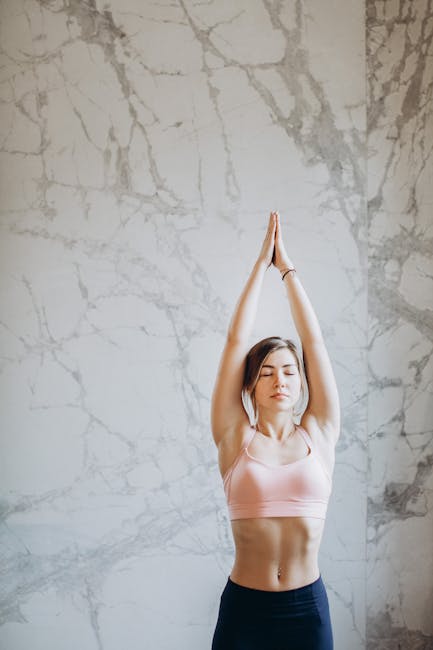
Yoga for Seniors Beginners Guide: Gentle Practices for Lifelong Health and Flexibility
As we age, staying active becomes more crucial yet more challenging. Thankfully, yoga offers a gentle solution for seniors seeking a practice that harmonizes the body, mind, and spirit, enhancing flexibility and maintaining health. This guide to Yoga for Seniors Beginners focuses on gentle practices that promote lifelong health and flexibility. Whether you’re starting yoga later in life or looking to adapt your existing practice, there’s a suitable style and approach just for you.
Introduction to Yoga for Seniors
Yoga is a versatile practice, encompassing various styles and poses adaptable to different fitness levels and mobility limitations. It emphasizes breathing, stretching, and meditation, making it an ideal activity for seniors. The benefits of incorporating Yoga for Seniors Beginners Guide into your lifestyle are manifold — from improving balance and flexibility to aiding in managing stress and chronic pain.
Why Yoga is Ideal for Seniors
-
Enhanced Flexibility and Mobility: As we age, muscles and joints tend to stiffen, which can lead to decreased mobility and more discomfort. Yoga gently stretches and strengthens these areas, enhancing overall mobility and flexibility.
-
Improved Strength and Balance: Regular yoga practice strengthens the muscles that help maintain balance, which can prevent falls—a common concern among seniors.
-
Stress Reduction: Yoga incorporates several relaxation techniques, including deep breathing and meditation, which can help manage stress and promote a more peaceful state of mind.
-
Better Sleep Patterns: Many seniors struggle with sleep issues. The relaxing nature of yoga can improve sleep quality by reducing stress and creating a routine that promotes a restful state.
-
Enhanced Respiratory Function: Yoga encourages deep, mindful breathing, which can improve lung capacity and the efficiency of the respiratory system.
-
Social Interaction: Joining a yoga class can provide a community of like-minded individuals, offering both social interaction and moral support.
How to Get Started with Yoga for Seniors
Finding the Right Class: When searching for yoga classes, look for those labeled as “senior,” “gentle,” “chair yoga,” or “beginner.” These classes will focus on needs specific to older adults and are likely paced suitably for someone just starting out.
Essential Gear: Yoga requires minimal equipment. A yoga mat, comfortable clothing, and possibly some props like blocks, a blanket, or a bolster are all that’s typically needed. Many studios provide props, but having your own ensures cleanliness and comfort.
Practicing Safely: Always consult with a healthcare provider before starting any new exercise routine, especially if you have existing health concerns. Listen to your body during practice and inform your yoga instructor about any limitations.
FAQs on Yoga for Seniors Beginners Guide
Q1: Can I do yoga with arthritis or osteoporosis?
A1: Yes, many people find that yoga helps manage arthritis pain and improves flexibility. For those with osteoporosis, yoga can strengthen bones and muscles, though certain poses may need to be modified.
Q2: What if I’m not flexible?
A2: Yoga is not about being bendy; it’s about personal improvement and wellness. Yoga improves flexibility over time, so starting out with limited flexibility means you have the most to gain!
Q3: Are online yoga classes effective for seniors?
A3: Online classes can be a great option, especially if transportation or mobility is a concern. Make sure to choose classes designed for seniors and communicate any concerns with the instructor ahead of time.
Q4: How often should I practice yoga?
A4: Starting with two or three times a week can help build a routine without overwhelming the body. As you get more comfortable, you may find that you enjoy daily practice or prefer longer sessions less frequently.
Ideal Yoga Styles for Seniors
-
Chair Yoga: Perfect for those with limited mobility, chair yoga modifies traditional yoga poses so that they can be done while seated.
-
Hatha Yoga: Known for its slow pace and focus on simple poses, Hatha is great for beginners.
-
Restorative Yoga: This type uses props to support the body fully in poses, allowing for relaxation and gentle stretching without strain.
-
Iyengar Yoga: Focuses on precise alignment and detailed instructions, which can be beneficial for those with specific physical issues.
Conclusion
Yoga for Seniors Beginners Guide offers gentle practices tailored to the unique needs of older adults, promoting lifelong health and flexibility. With its low-impact nature and profound health benefits, yoga is an excellent choice for seniors looking to maintain or improve their quality of life. Remember, it’s never too late to start, and the benefits are truly timeless. Whether in a studio or at home, a yoga practice can be a rewarding component of your wellness routine. Embrace the journey of yoga, and enjoy greater vitality and a more flexible, resilient body at any age.
